

Ever wish your vintage stereo could jam to Spotify? Or dreamed of ditching tangled cables without sacrificing sound quality? Enter the Coaxial Bluetooth Receiver—a game-changer for audio enthusiasts. As someone who’s tested dozens of audio gadgets, I’ve seen firsthand how these tiny devices breathe new life into old systems. Whether you’re a vinyl collector or a podcast addict, this guide will demystify coaxial tech, spotlight key features, and help you avoid buyer’s remorse. Let’s dive in!
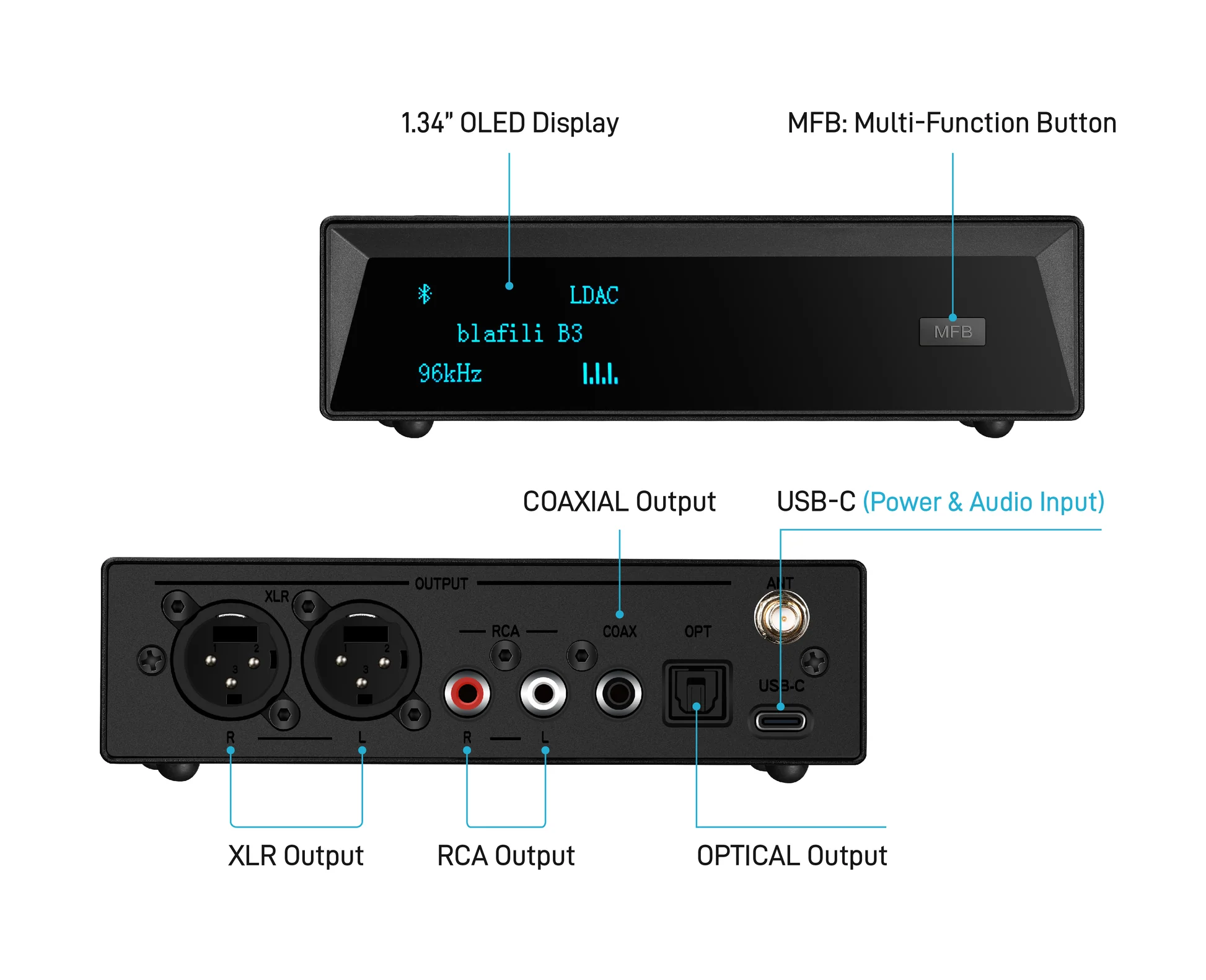
What Exactly Is a Coaxial Bluetooth Receiver and How Does It Work?
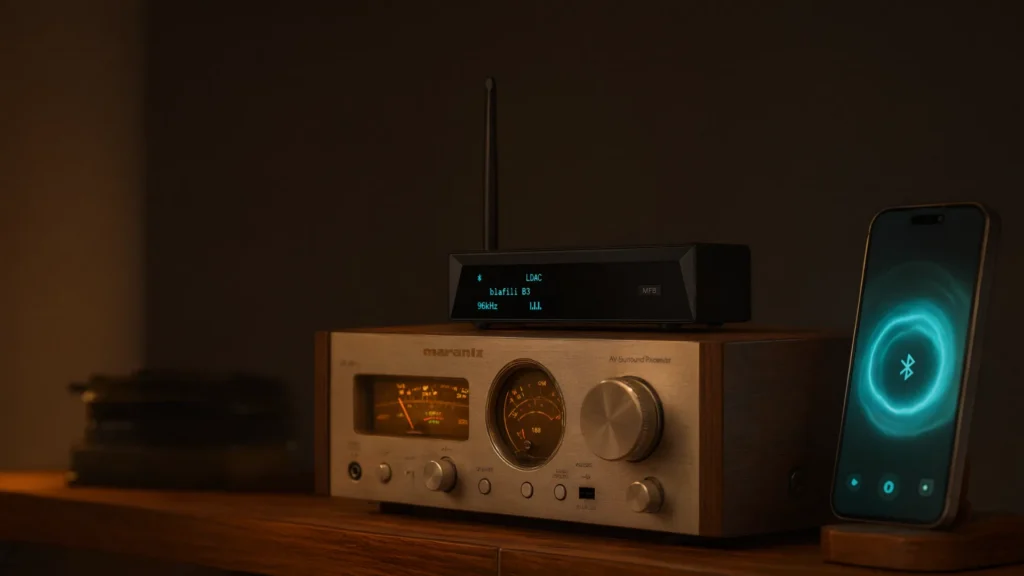
Picture this: Your classic amplifier lacks Bluetooth, but you crave wireless freedom. A Coaxial Bluetooth Receiver bridges that gap. Unlike basic Bluetooth adapters, it connects via coaxial digital audio (SPDIF) ports, ensuring minimal signal loss. Here’s how:
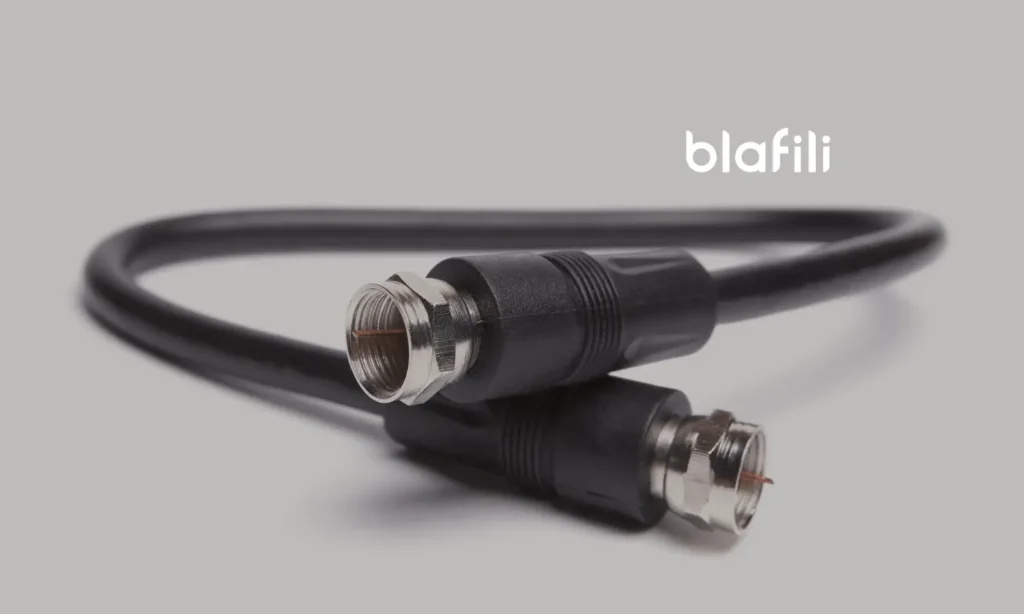
When you pair your phone, the receiver converts Bluetooth signals into pristine digital audio, routing them through your existing speaker system. Coaxial cables—often shielded with copper—transmit data as electrical pulses, reducing interference. The result? CD-quality audio without replacing your whole setup.
Why it outshines alternatives:
- Low Latency: Ideal for syncing video/audio (think movie nights).
- Hi-Fi Preservation: Unlike analog converters, coaxial ports maintain bit-perfect audio.
- Compatibility: Works with AV receivers, soundbars, and DACs sporting RCA/SPDIF ports.
Pro tip: For Dolby Digital setups, ensure your gadget supports aptX Low Latency.
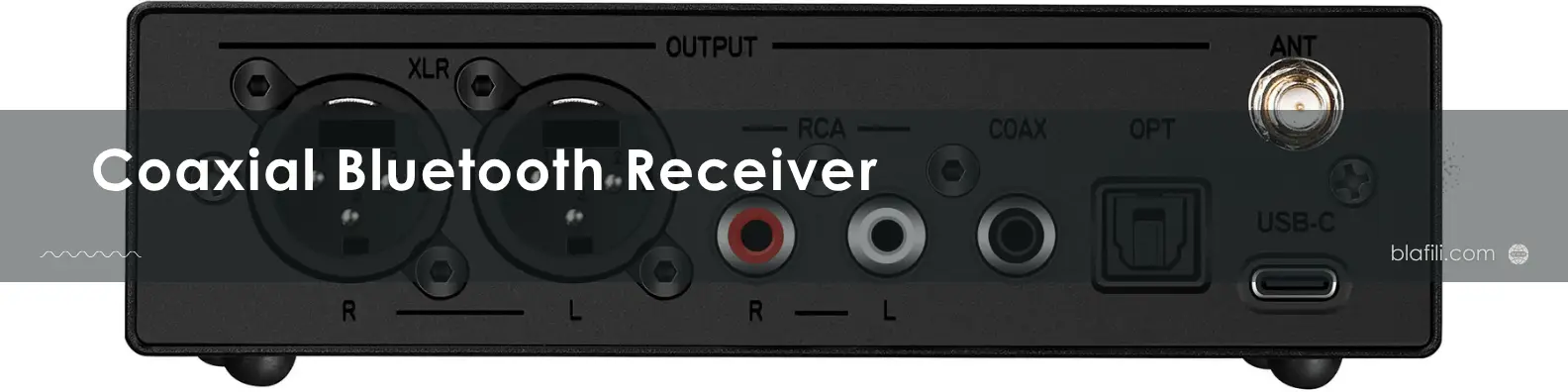
Top 5 Must-Know Benefits of Using a Coaxial Bluetooth Receiver
- Lag-Free Streaming: Ever noticed audio trailing Netflix scenes? Coaxial’s sub-40ms latency fixes that.
- Sound Quality Boost: Delivers 24-bit/96kHz audio—perfect for Tidal Masters.
- Future-Proofing: Upgrades “dumb” devices; your grandma’s CD player just got smarter.
- Minimalist Setup: No extra DACs or tangled aux cables. One cable = zero clutter.
- Cost Efficiency: Skip a $500 receiver upgrade; snag a quality unit for under $60.
I retrofitted a 1990s stereo with this tech. The difference? Like swapping cassette tapes for vinyl!
Choosing the Perfect Coaxial Bluetooth Receiver: Key Features Compared
Overwhelmed by specs? Focus on these non-negotiables:
| Feature | Why It Matters | Budget Pick | Premium Pick |
|---|---|---|---|
| Codec Support | aptX HD/LL ensures CD-grade audio/sync | Standard aptX | aptX Adaptive + AAC |
| Range | 30+ feet for roaming sans dropouts | 33 ft (10m) | 50 ft (15m) |
| Battery Life | 8hr+ for uninterrupted listening | 10 hours | 15 hours + USB-C |
| DAC Compatibility | Matches high-res DACs (e.g., Schiit Modi) | Basic 24-bit/48kHz | 24-bit/96kHz+ |
| Ports | Optical/coaxial inputs for flexibility | RCA/Coaxial | Multi-port w/ toslink |
Insider tip: Brands like blafili B3 offer dual-mode (USB/coaxial), ideal for gaming rigs. Skip noname brands—poor shielding causes static!

Step-by-Step Setup: Installing Your Coaxial Bluetooth Receiver in Minutes
Set it up faster than unboxing it:
- Hook Up: Coaxial cable → receiver → speaker’s SPDIF port.
- Power On: Use included adapter or USB.
- Sync Devices: Enable Bluetooth on your phone → pair (usually “BTRX-XXX”).
- Select Output: Choose “SPDIF” or “coaxial” on your receiver menu.
Troubleshooting quick fixes:
- No Sound? Ensure input source is set to “Coax In” on speakers.
- Dropouts? Move Wi-Fi routers away—5.8 GHz signals clash!
- Static? Try shielded cables like AmazonBasics RCA.

Troubleshooting Common Coaxial Bluetooth Receiver Issues Like a Pro
“It pairs but won’t play!” → Check device output settings. iPhones default to AAC; force aptX via Developer Options on Android.
“Audio cuts out near the microwave” → Classic interference! Position the receiver >3 ft from appliances.
“My receiver has no coaxial port!” → Use an RCA-to-coaxial adapter ($7 on Amazon), but avoid cheap plugs. Stick with Monoprice or UGREEN.
“Delay ruins YouTube” → Enable “Low Latency” mode or use transmitters with aptX LL (e.g., 1Mii B06Plus).
-
Sale!
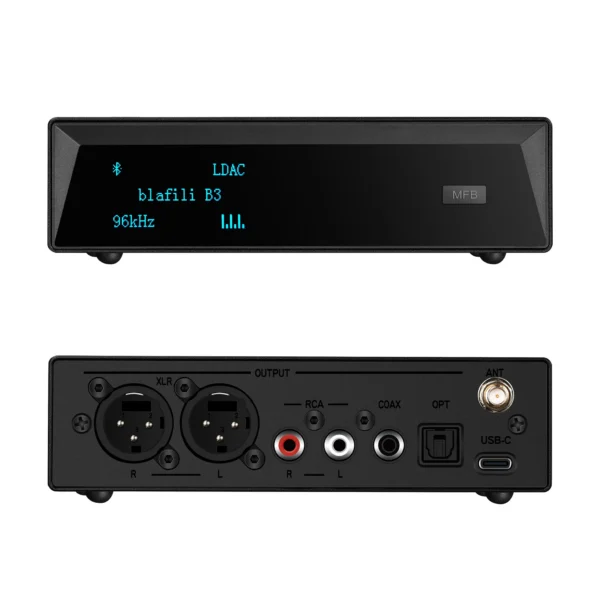 Original price was: $149.00.$109.00Current price is: $109.00.
Add to cart
-
Sale!
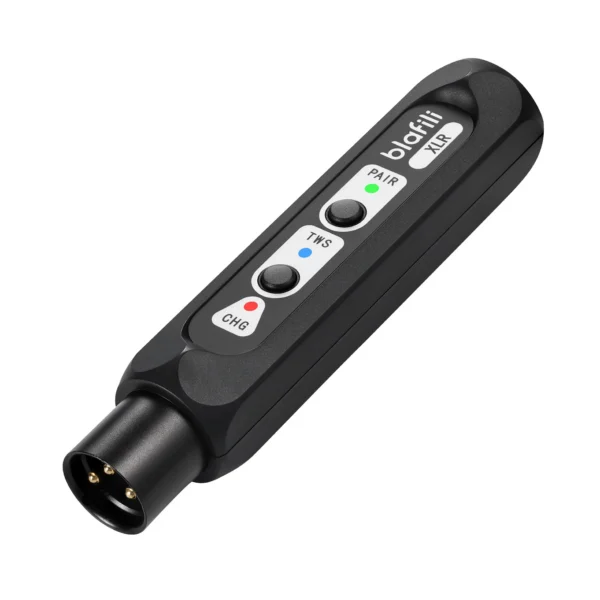 Original price was: $59.99.$40.99Current price is: $40.99.
Add to cart
-
Sale!
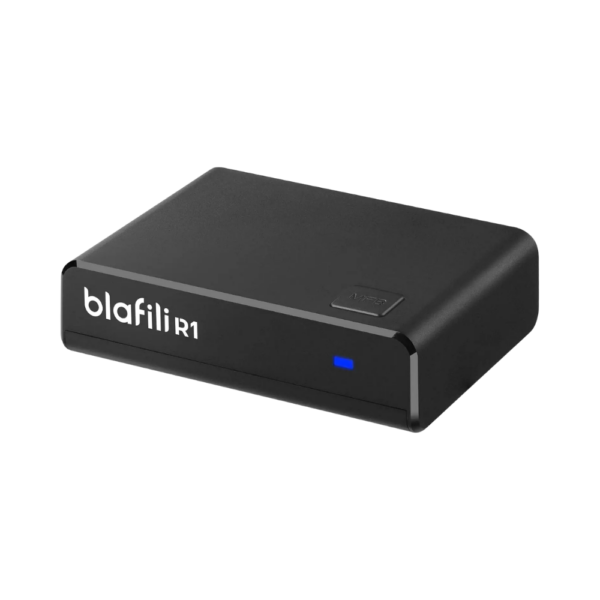 Original price was: $29.99.$21.99Current price is: $21.99.
Add to cart
-
Sale!
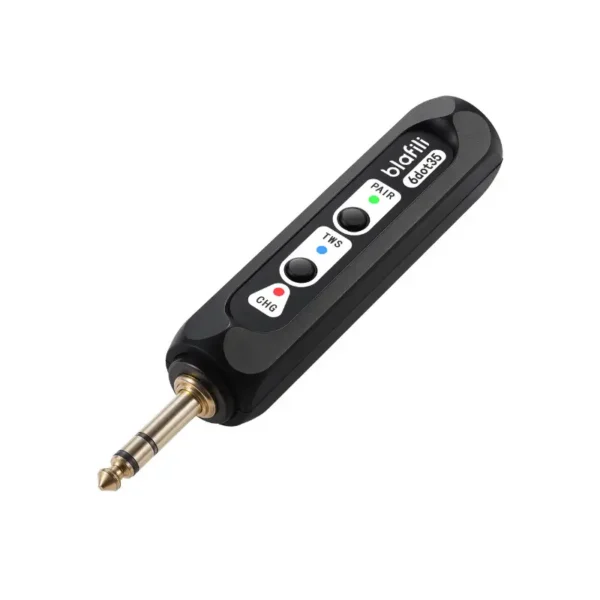 Original price was: $59.99.$44.99Current price is: $44.99.
Add to cart
Expert Recommendations: Our Top Coaxial Bluetooth Receiver Picks for 2025
Best Overall: blafili B3
- Why: Supports LDAC, coaxial/optical, and acts as a USB DAC. A Swiss Army knife!
- Price: $109
→ Check on Shop
Budget Gem: 1Mii B03 Pro
- Why: aptX LL + 12-hour battery under $35. Perfect for casual listeners.
Premium Powerhouse: Audioengine B1
- Why: Audiophile-grade AKM DAC (24-bit/192kHz), aptX HD. Worth every penny of its $199 tag.
Pro advice: Match brands to your DAC. Schiit Audio DAC? Sync with Schiit’s Modi Multibit.

Coaxial Bluetooth Receiver FAQs: Your Burning Questions Answered
Can I connect two devices simultaneously?
Yes! Most support multipoint pairing. Keep both devices within range.
Does it work with TVs?
Absolutely. Plug into your TV’s SPDIF port, pair with Bluetooth headphones/soundbar.
Will latency ruin gaming?
Avoid if you play competitively. Opt for transmitters with dedicated “Game Mode” (<20ms).
Do all receivers support high-res audio?
Nope! Verify “24-bit/96kHz+” or aptX HD specs—especially for Tidal/Deezer.
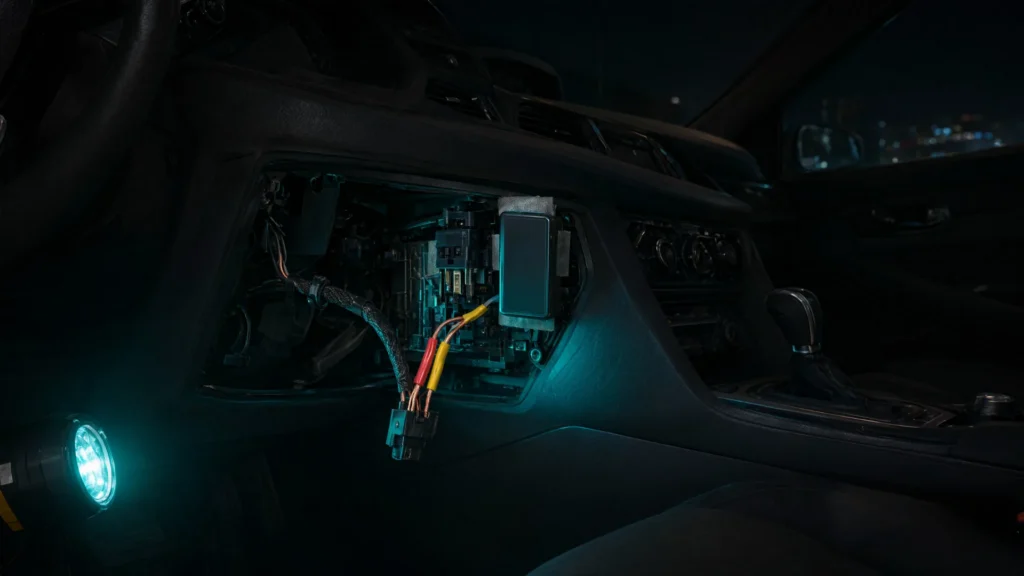
Can I use it in my car?
Yes, if your car has RCA/SPDIF inputs (common in aftermarket head units).
Do these work with voice assistants?
Not directly. Pair your phone’s assistant to Bluetooth; audio routes through the receiver.

Final Thoughts: Why This Tiny Tech Is Your Audio Holy Grail
From breathing new life into retro gear to gifting studio-quality streams, a Coaxial Bluetooth Receiver slashes clutter and splurges. Having tweaked setups from garages to studios, I’ll bet my vinyl collection: this is the smartest $50 you’ll spend. Snag one, sync up, and savor your soundtrack—wirelessly unleashed. ?
Got questions? Hit the comments below—I reply to every query!