

Embracing Wireless Freedom
The Rise of Wireless Technology in Everyday Life
Over the past decade, wireless technology has changed how we connect and communicate. From smartphones to smart homes, the convenience of cable-free living has become a hallmark of modern innovation. Whether streaming music, controlling devices, or sharing data, wireless solutions deliver unmatched flexibility and simplicity.
How Bluetooth Changed the Audio Industry
When Bluetooth first arrived, the audio chain started losing its cables. Gone were the days of tangled cords and restrictive setups. Bluetooth brought pairing that takes a few taps, connecting devices over short distances without configuration. Today, it powers everything from wireless earbuds to sophisticated home audio systems.
Why a Bluetooth Sound Adapter is the Key to a Wire-Free Future
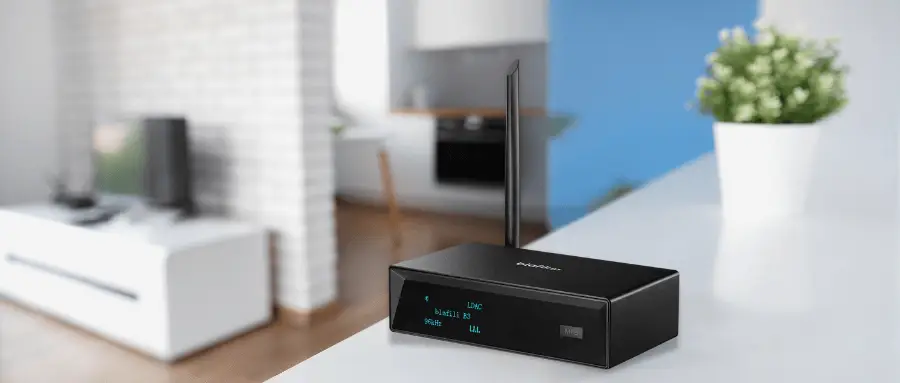
A Bluetooth sound adapter is your bridge to wireless audio nirvana. It enables traditional wired systems to embrace the wireless age, delivering the freedom to move, play, and enjoy sound without being tethered. Whether upgrading vintage speakers or enhancing a modern setup, this compact device adds streaming to the inputs your gear already has.

What is a Bluetooth Sound Adapter?
Understanding the Basics of Bluetooth Sound Adapters
A Bluetooth sound adapter is a small device that adds Bluetooth functionality to non-wireless audio equipment. It acts as a transmitter, receiver, or both, depending on its purpose. This makes it a perfect companion for traditional speakers, headphones, and TVs.
Types of Bluetooth Sound Adapters: Receivers, Transmitters, and Combo Devices
- Receivers: Allow non-Bluetooth speakers or sound systems to receive wireless audio from a Bluetooth device.
- Transmitters: Send audio from non-Bluetooth devices, such as TVs, to wireless headphones or speakers.
- Combo Devices: Offer both transmitting and receiving capabilities, making them versatile for various setups.
The Role of a Bluetooth Sound Adapter in Modern Audio Systems
Bluetooth sound adapters serve as vital tools in bridging the gap between legacy systems and modern wireless technology. By converting wired setups into wireless ones, they enhance functionality while preserving the charm and performance of traditional audio equipment.
Key Benefits of Using a Bluetooth Sound Adapter
Convenience: Eliminating the Hassle of Wires
Say goodbye to cluttered cables and limited mobility. With a Bluetooth sound adapter, you can enjoy your favorite tunes without worrying about messy wires tangling up your space.
Enhanced Compatibility Across Multiple Devices
A Bluetooth sound adapter pairs cleanly with a wide range of devices, including smartphones, tablets, laptops, and TVs. This adaptability ensures that your audio setup remains relevant and future-proof.
Portability and Versatility for On-the-Go Audio Needs
Compact and lightweight, Bluetooth sound adapters travel well and hold up outdoors. They slot into whatever system is at hand, which makes impromptu gatherings and road trips easier to soundtrack.
Improving the Aesthetics of Your Audio Setup
By eliminating the need for visible wires, Bluetooth sound adapters contribute to a cleaner, more modern aesthetic for your entertainment space.
Choosing the Right Bluetooth Sound Adapter
Key Features to Look For: Range, Latency, and Audio Quality
- Range: Opt for an adapter with a longer range for greater flexibility.
- Latency: Choose low-latency models to ensure real-time audio synchronization, especially for video streaming.
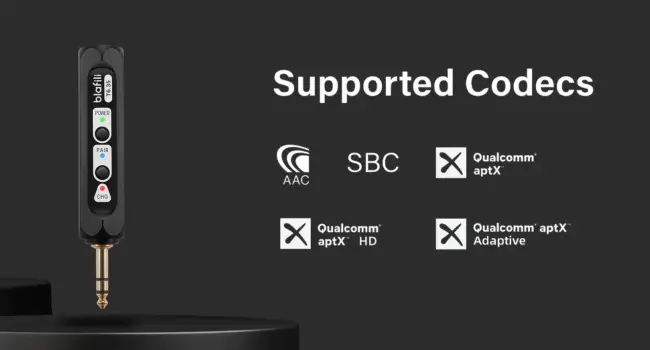
- Audio Quality: Look for adapters supporting high-quality codecs like aptX for superior sound clarity.
Bluetooth Versions Explained: Why It Matters
The Bluetooth version determines performance. Bluetooth 5.0 offers extended range, faster pairing, and improved audio quality compared to earlier versions. It’s an essential feature to consider for future-proofing your setup.
Comparing Popular Brands and Models for Every Budget
Adapter makers range from specialist audio firms to general electronics brands. Compare their features, warranties, and reviews to make an informed decision that suits your budget.
How to Set Up a Bluetooth Sound Adapter
Step-by-Step Guide to Connecting Your Adapter
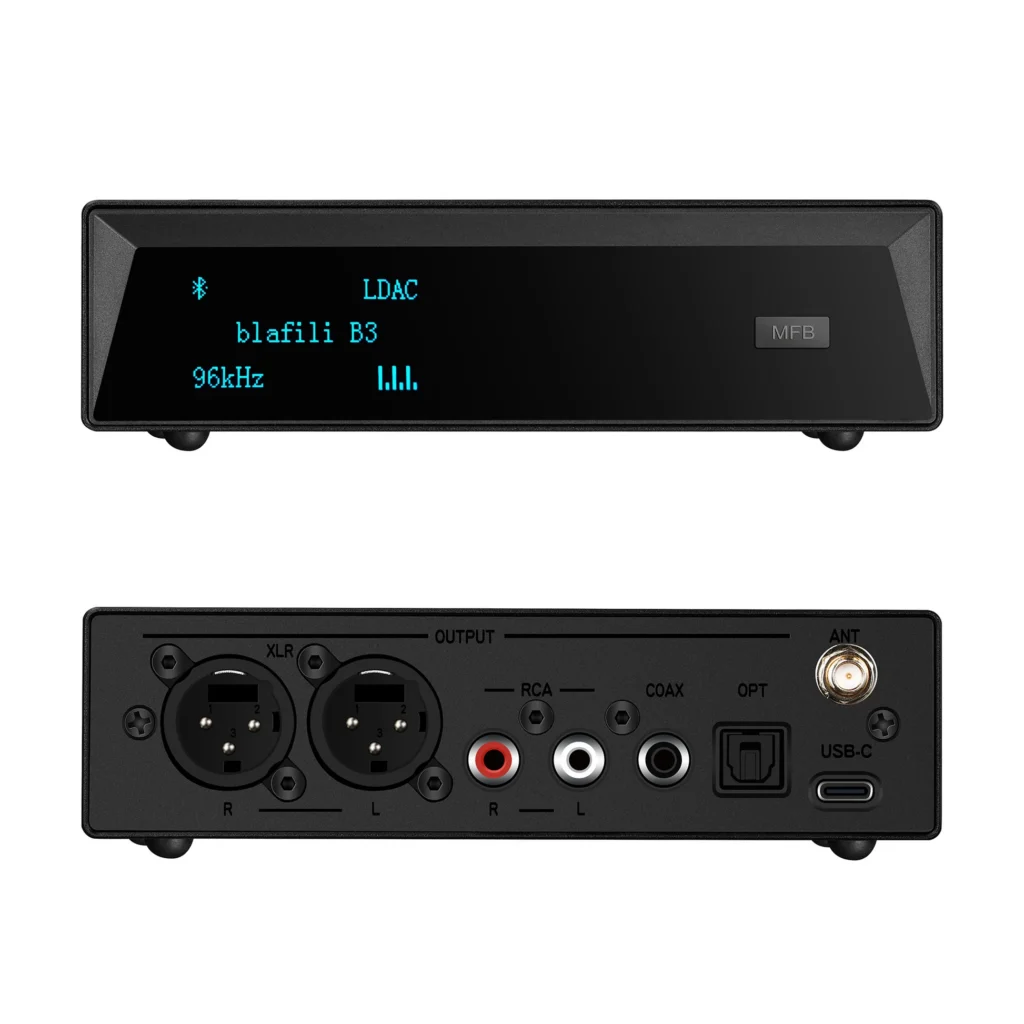
- Plug the adapter into the audio device using RCA, AUX, or optical cables.
- Pair the adapter with your Bluetooth device by activating pairing mode.
- Confirm the connection and start enjoying wireless audio.
Tips for Optimal Placement and Signal Strength
Place the adapter in an open, unobstructed area to maximize its signal range. Avoid interference from Wi-Fi routers or other electronic devices.
Troubleshooting Common Connection Issues
If pairing fails, ensure both devices are in pairing mode and within range. Restart the adapter or reset its settings to resolve persistent issues.
Real-Life Applications of Bluetooth Sound Adapters
Upgrading Traditional Audio Systems
Revitalize vintage speakers or stereo systems by adding wireless connectivity, making them compatible with modern devices.
Enhancing Home Entertainment Setups
Turn your living room into a wireless hub by connecting a Bluetooth sound adapter to your TV or soundbar for lag-free streaming.
Using Bluetooth Sound Adapters in Cars for Hands-Free Calling and Music
Make your car audio system smarter with a Bluetooth receiver, enabling hands-free calling and music streaming without costly upgrades.

Common Challenges and How to Overcome Them
Audio Lag: Understanding and Reducing Latency
Low-latency adapters are key to avoiding synchronization issues. Pair one with aptX Low Latency support at both ends and the delay stays near 40 ms.
Signal Interference: Causes and Solutions
Minimize interference by keeping your adapter away from competing wireless devices. Switching Bluetooth channels can also help.
Compatibility Issues with Older Devices
Check your device’s audio output options and Bluetooth profiles to ensure compatibility. Adapters with multiple connection options suit older systems best.
Future Trends in Bluetooth Sound Adapters
Emerging Technologies in Wireless Audio
Expect advancements like multipoint pairing, improved codecs, and energy-efficient designs to enhance the user experience.
The Impact of 5.0 and Beyond on Audio Quality
Bluetooth 5.0 is just the beginning. Future iterations promise even higher bandwidth, enabling lossless audio streaming and steadier connections.
Where Wireless Sound Goes Next
As wireless technology evolves, adapters may become more integrated, compact, and universally compatible, making them indispensable in every audio setup.
Making the Wireless Switch
Recap of the Advantages of Bluetooth Sound Adapters
From convenience to enhanced functionality, Bluetooth sound adapters pair new wireless features with the gear you already own.
Why Every Audio Enthusiast Needs One
Casual listeners and audiophiles alike gain freedom of placement and versatility from these adapters.
Final Thoughts on the Transition to Wireless Freedom
Investing in a Bluetooth sound adapter is a small step toward a fully wireless setup. One adapter, one spare input, and the system you already own starts playing from your phone.