


The Evolution of Audio for Professionals
In the past, high-quality audio systems were almost entirely dependent on wired connections. Audio engineers, musicians, and sound technicians would spend hours running and managing cables for their sound setups. However, as technology has evolved, the demand for more efficient, flexible, and streamlined audio solutions has led to the rise of wireless audio systems.
The shift from wired to wireless is not just about convenience; it’s about performance and quality. This shift is most visible in Bluetooth audio technology, which has rapidly gained traction in both consumer and professional markets. For professionals who need precise audio and dependable performance, XLR output Bluetooth audio is becoming a common choice.
Why are so many professionals adopting this technology? The core reason lies in its ability to deliver superior sound quality while eliminating the hassle of traditional wired connections. With XLR output Bluetooth audio, professionals are no longer constrained by cables, yet still benefit from the clarity, precision, and reliability that XLR connections are known for.
Understanding XLR Output Bluetooth Audio
What is XLR output and why it’s preferred for professional setups?
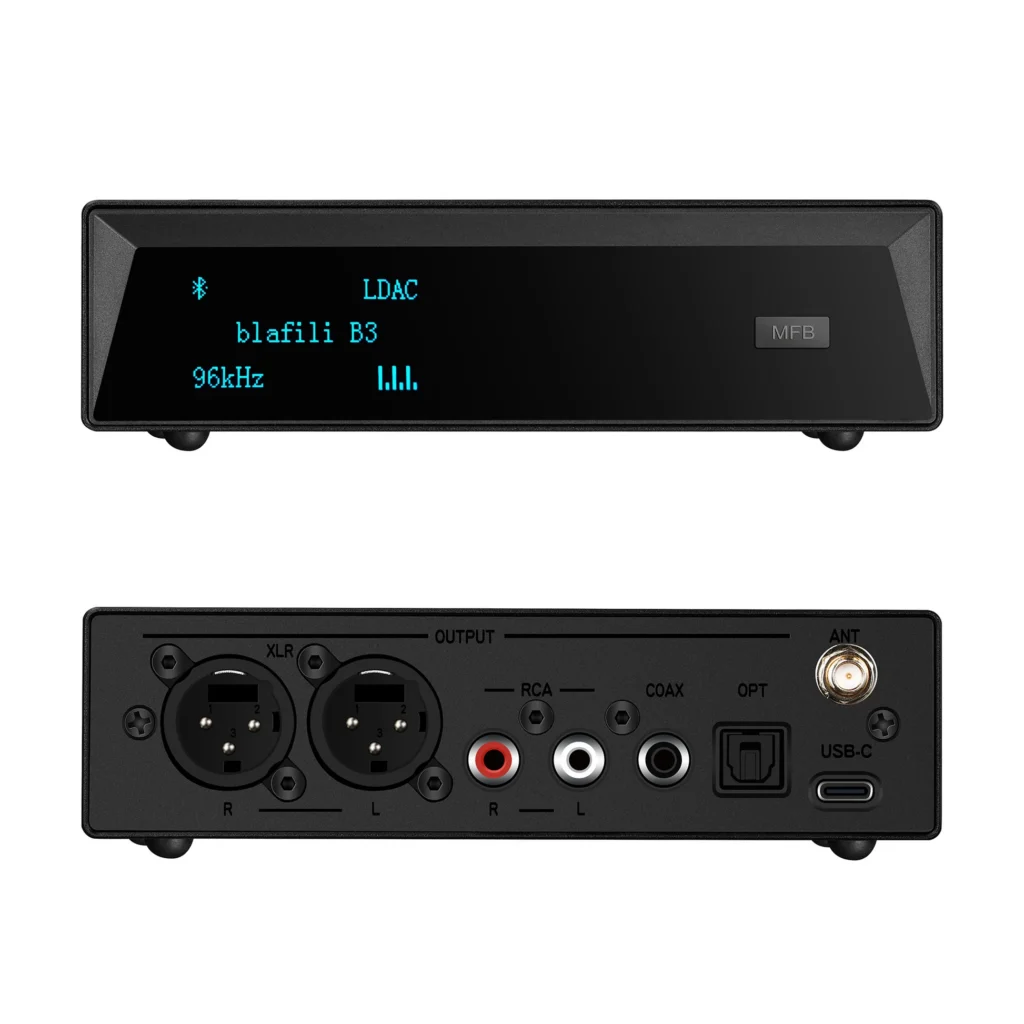
XLR output is a professional-grade audio connection that’s known for its ability to transmit balanced audio signals, which help to eliminate noise and interference. The robust design and high-quality signal transmission make XLR the go-to choice for professional audio applications, particularly in live sound environments and recording studios.
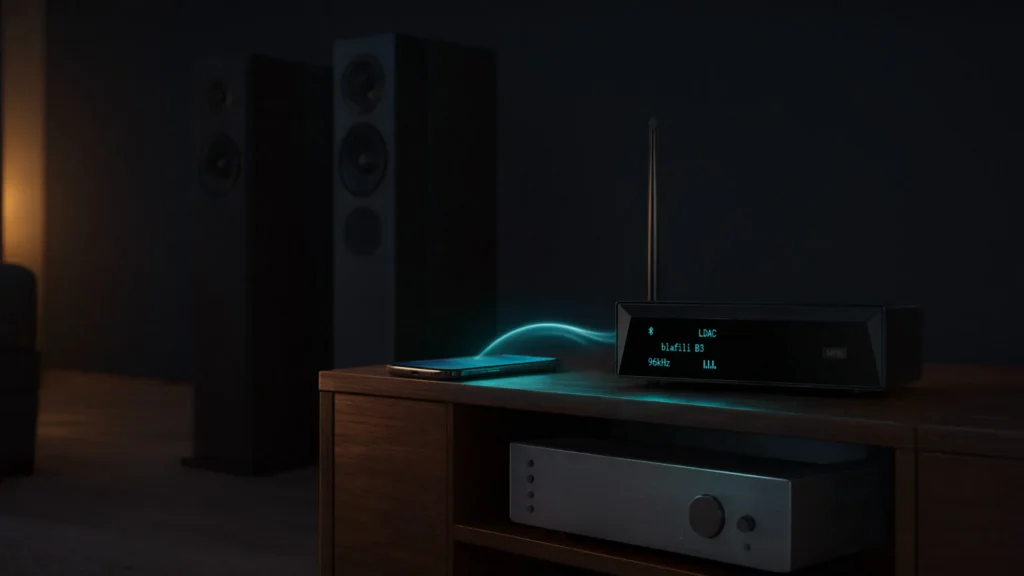
When integrated with Bluetooth, XLR output Bluetooth audio allows audio to be transmitted wirelessly while maintaining the integrity of the signal. Bluetooth’s lossless audio capabilities ensure that audio is clear, crisp, and free from distortion. This combination of XLR output and Bluetooth offers professionals the best of both worlds: the quality of wired XLR connections with the convenience and flexibility of wireless technology.
The technology behind Bluetooth audio: How it works with XLR
Bluetooth technology utilizes radio waves to transmit data between devices. When applied to XLR output, Bluetooth acts as a bridge between a traditional XLR device (such as a microphone or audio mixer) and Bluetooth-enabled speakers or headphones. The audio signal is sent from the XLR device to a Bluetooth receiver, which then processes the signal and transmits it to Bluetooth-enabled speakers or headphones.
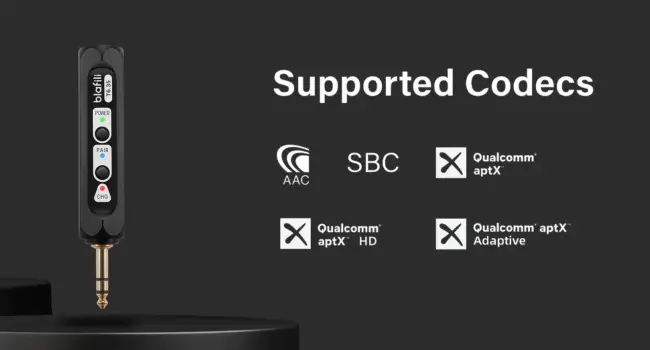
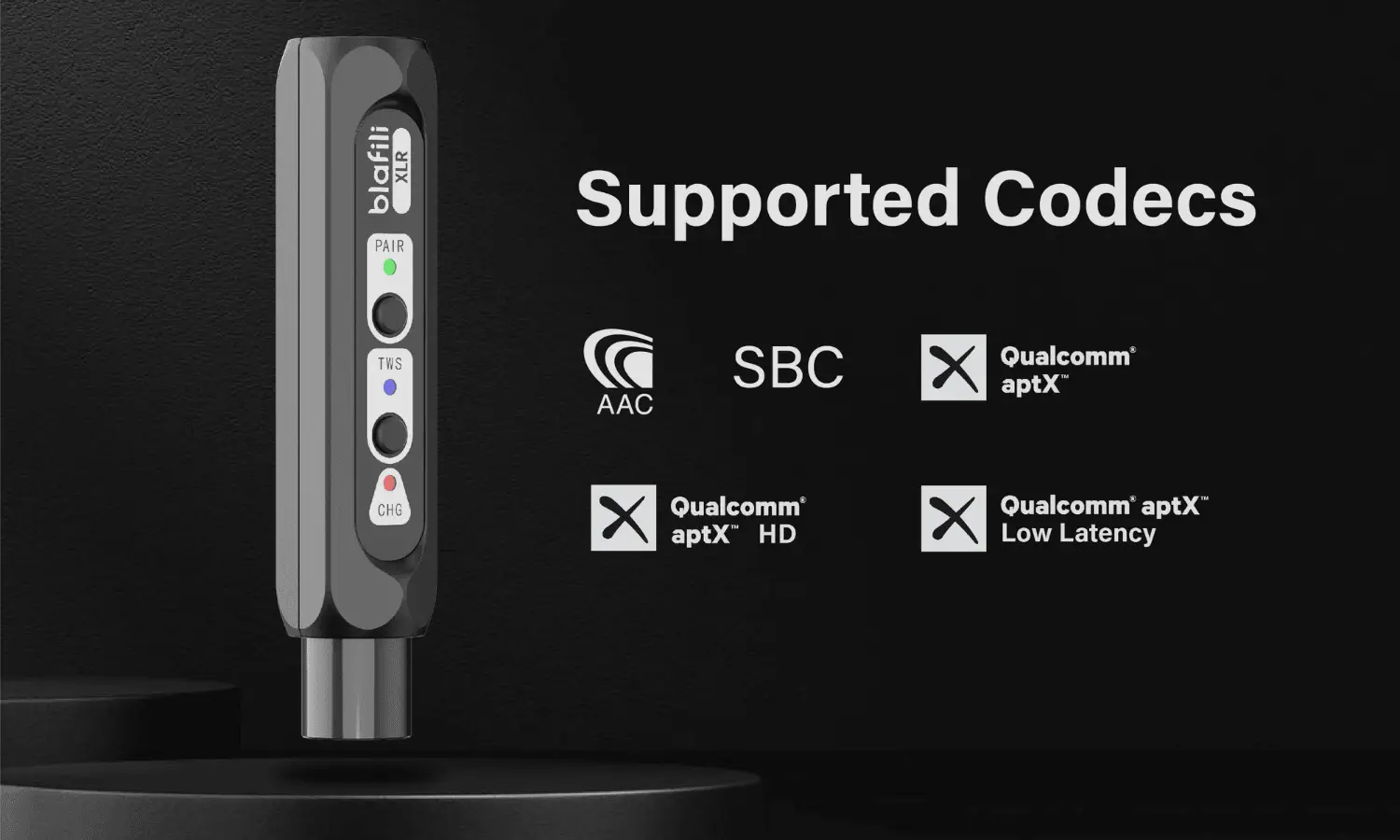
To ensure high-quality transmission, Bluetooth codecs such as aptX, AAC, and LDAC are employed. These codecs compress the audio with little loss in sound quality, so even high-fidelity audio systems receive a clean signal.
Why XLR output Bluetooth is ideal for high-quality, interference-free sound
XLR output Bluetooth maintains strong signal integrity and avoids many of the common issues associated with wireless audio, such as signal dropouts and interference. Unlike standard Bluetooth audio solutions, which often suffer from compression and reduced fidelity, XLR Bluetooth systems preserve audio quality, ensuring professionals experience high-fidelity sound across all frequencies.
This matters most for high-end audio setups, where clarity and detail count. With XLR output Bluetooth, professionals can achieve a level of wireless audio quality that’s comparable to wired systems—without the clutter of cables.
Superior Sound Quality: The Edge XLR Output Bluetooth Offers
Achieving pristine audio with XLR output and Bluetooth technology
The combination of XLR output and Bluetooth technology provides an exceptional level of audio fidelity. Thanks to Bluetooth’s advanced audio codecs like aptX HD and AAC, it’s possible to stream high-resolution audio wirelessly without sacrificing quality.
XLR’s balanced connection, which minimizes interference and optimizes the signal path, combined with the clarity of Bluetooth transmission, ensures that audio is delivered with richness and depth. For professionals who require crystal-clear sound, this combination is a practical choice.
How Bluetooth codecs like aptX and AAC enhance audio fidelity
Bluetooth codecs such as aptX, aptX HD, and AAC determine how much fidelity the audio keeps during Bluetooth transmission. These codecs allow for better compression, which means that less audio data is lost during transmission, resulting in clearer sound quality.
For professionals in fields like music production, broadcasting, or live sound, these codecs enable Bluetooth devices to transmit high-resolution audio, making them a superior choice over traditional Bluetooth audio solutions that often suffer from excessive compression.
The role of XLR in maintaining audio clarity and precision
XLR’s robust and balanced signal path ensures that the audio signal remains intact and free from noise or distortion over long distances. This quality carries over to Bluetooth audio systems, so professionals get close to the same clarity and precision they would expect from a wired XLR connection.
By removing the need for cables, XLR output Bluetooth keeps the crispness, dynamics, and detail of traditional wired setups, which suits demanding professional environments.
Comparing XLR output Bluetooth audio to standard Bluetooth solutions
Standard Bluetooth audio solutions, while convenient, often fall short in terms of sound quality. These systems tend to compress audio excessively, which can lead to a loss of dynamic range and clarity. In contrast, XLR output Bluetooth systems use lossless codecs and balanced connections to provide a higher-fidelity, more stable signal, which suits professionals who can’t compromise on sound quality.

The Professional Benefits of XLR Output Bluetooth Audio
Simplifying setups: Reducing cable clutter for cleaner aesthetics
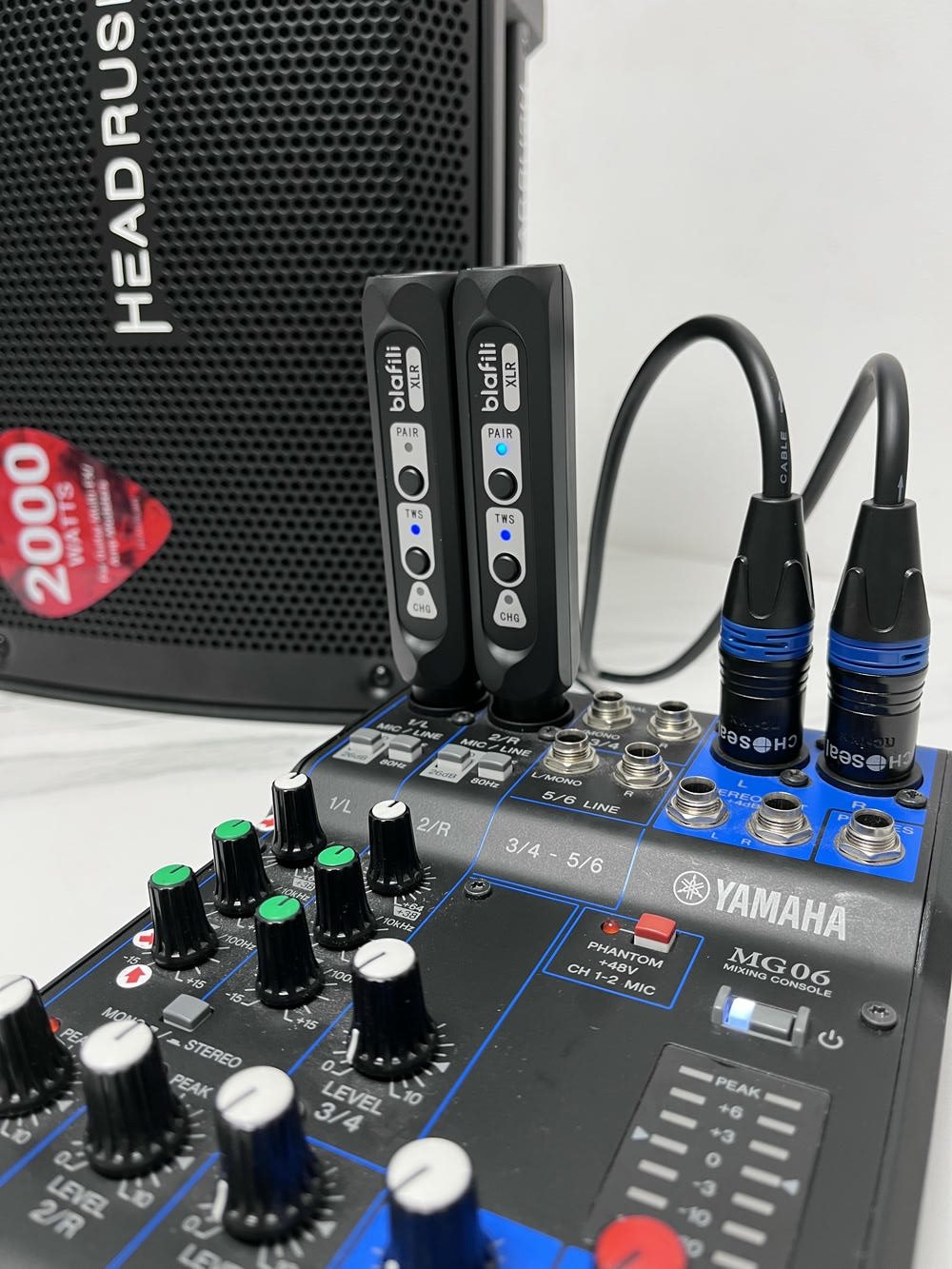
In professional environments, clean and organized setups are essential. XLR output Bluetooth audio significantly reduces the need for cumbersome cables that can create a cluttered and untidy workspace. This not only improves the aesthetic of the setup but also enhances safety by reducing tripping hazards and minimizing the risk of cable wear and tear.
Increased mobility and flexibility for live events and studios
For live events and studio sessions, mobility is key. With XLR output Bluetooth audio, professionals can move freely without being restricted by the length of their cables. This flexibility is especially beneficial in live performances, where quick adjustments to equipment placement may be necessary.
Smooth integration with high-end audio systems and mixers
XLR output Bluetooth audio integrates well with professional audio systems and mixers. Many high-end audio devices come with XLR connections as standard, and by using Bluetooth receivers with XLR output, professionals can wirelessly transmit high-quality audio to their desired playback systems without sacrificing sound integrity.
How wireless XLR solutions save time during setup and teardown
Wireless systems drastically reduce setup and teardown times for professionals. With fewer cables to manage, XLR output Bluetooth makes it faster and easier to get systems up and running, which is particularly valuable in high-pressure environments like concerts or live broadcasts where time is limited.

Why XLR Output Bluetooth Is the Choice for Pros
Overcoming wireless audio challenges like signal interference and dropouts
One of the most significant challenges in wireless audio systems is maintaining a stable connection. Interference from other wireless devices can cause signal dropouts or distortion, which is detrimental in professional settings. However, XLR output Bluetooth systems overcome these challenges by utilizing advanced frequency hopping and signal encryption techniques to maintain a strong, stable connection even in crowded environments.
The importance of strong range and low-latency for professional applications
Range and latency are crucial for professional wireless audio systems. XLR output Bluetooth systems typically offer stronger range and lower latency than traditional Bluetooth solutions, making them a good fit for live sound applications where timing is critical. This ensures that audio is transmitted in real time, without delays or interruptions, even over long distances.
How to ensure stable performance with the right Bluetooth audio receiver
Choosing the right Bluetooth audio receiver matters for how well your XLR output Bluetooth system performs. Look for devices that support advanced audio codecs like aptX HD, offer strong signal strength, and are compatible with your audio gear. These features will help maintain the clarity, fidelity, and reliability of the audio signal.
Real-world examples of professionals benefiting from XLR Bluetooth audio
Many audio professionals, including sound engineers, musicians, and broadcast technicians, have already made the switch to XLR output Bluetooth systems. These systems allow them to deliver high-quality, uninterrupted audio without the hassle of cables, enabling smoother live performances and more efficient studio setups.
Choosing the Right XLR Output Bluetooth Audio Setup for Your Needs
Key features to look for in a professional Bluetooth audio receiver
When selecting an XLR output Bluetooth audio receiver, professionals should consider several factors, including audio quality, range, latency, and device compatibility. Look for models that support aptX HD or AAC for the best sound quality and ensure that the device can easily integrate with your existing equipment.
Matching XLR output Bluetooth devices with your current sound system
Not all Bluetooth audio systems are created equal. Ensure that your chosen XLR output Bluetooth receiver is compatible with your sound system’s input requirements, whether that’s for microphones, mixers, or speakers. Compatibility is key for ensuring the optimal sound quality and reliable performance.
Top-rated XLR output Bluetooth products trusted by professionals
There are many reputable XLR output Bluetooth audio receivers on the market, including options from brands like blafili, Sennheiser, and Audio-Technica. These devices are known for their reliability, sound quality, and ease of integration into professional setups.
How to ensure compatibility across various audio equipment and setups
To ensure smooth performance, it’s essential to check that your XLR output Bluetooth devices are compatible with other equipment in your setup. Some systems may require specific adapters or configurations for smooth integration.

Future of XLR Output Bluetooth Audio
Emerging trends in Bluetooth audio and XLR technology
Bluetooth audio technology continues to evolve, with aptX Adaptive and higher-fidelity codecs making wireless audio even better. As XLR output Bluetooth systems improve, professionals can expect even better signal quality, range, and reliability.
Predictions for the next generation of wireless audio systems
The next generation of XLR output Bluetooth systems will likely incorporate AI-driven audio enhancement, more advanced codecs, and integrated smart features that further improve the wireless audio experience.
How XLR output Bluetooth will shape the future of professional sound design
As the demand for wireless audio solutions grows, XLR output Bluetooth systems will keep playing a significant role in sound design, offering greater flexibility, better sound quality, and efficiency.
Making the Switch to XLR Output Bluetooth Audio
Upgrading to XLR output Bluetooth audio is a practical move for professionals who want to simplify their sound systems and workflows. With solid sound quality, mobility, and reliability, these systems fit well into most professional audio work. Before buying, check codec support (aptX HD or AAC), signal range, and how the receiver matches your existing gear.