

Quick answer: A Bluetooth adapter can add wireless playback to an old stereo when the stereo has a compatible line-level or digital input. Your phone, tablet, or computer sends audio to the adapter; the adapter then feeds the existing receiver, amplifier, or powered speakers. It does not replace the amplifier needed for passive speakers, and its normal analog output should not be connected to a phono input.
Before buying anything, identify the signal direction and inspect the inputs on the existing system. For most old stereos, you need a Bluetooth receiver with an output that matches an AUX, CD, tape, line, optical, or coaxial input. If the goal is to send sound from the stereo to Bluetooth headphones, that is the opposite direction and requires a transmitter or a product explicitly designed for both modes.
How to Choose a Bluetooth Adapter for an Old Stereo
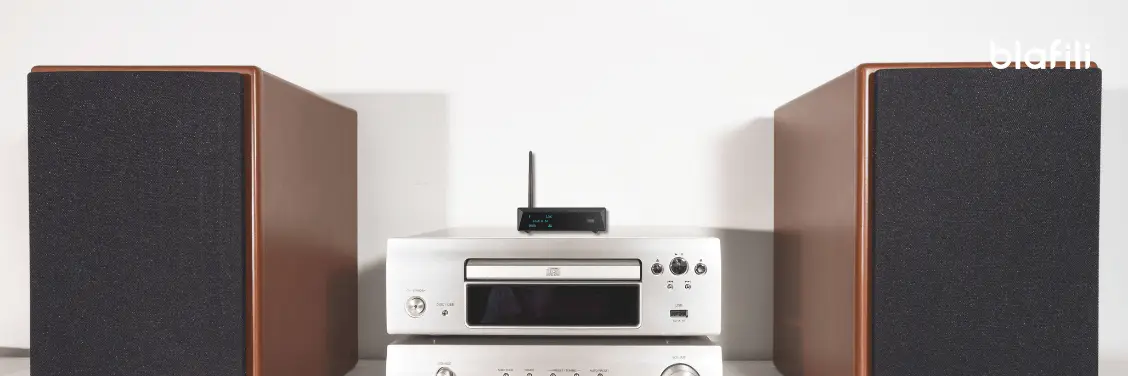
Start at the stereo, not the adapter listing. Look for an unused input labeled AUX, CD, tape, line, optical, or coaxial. Then choose a Bluetooth receiver with a matching output. RCA and 3.5 mm are analog connections; optical and coaxial are digital connections. A converter cable can change connector shape, but it does not automatically convert analog audio to digital or digital audio to analog.
- For AUX, CD, tape, or line input: use a compatible analog output such as RCA or 3.5 mm.
- For optical or coaxial input: use the matching digital output and confirm format compatibility with the downstream DAC or amplifier.
- For phono-only equipment: do not feed a normal line output into the phono stage. The phono input is designed for a turntable-level signal and equalization.
- For passive speakers without an amplifier: choose an amplifier with Bluetooth reception or add a separate amplifier; a receiver-only adapter cannot drive the speakers.
Bluetooth Receiver or Bluetooth Amplifier?
A Bluetooth receiver is the usual choice when the old stereo already has a working amplifier and an available input. A Bluetooth amplifier is a different product category: it combines wireless reception with the power stage needed to drive compatible passive speakers. Keeping those roles separate prevents the common mistake of buying a receiver-only adapter for bare speakers.
Match the Adapter to the Existing Audio System
| Existing equipment | What is missing? | Appropriate device role |
|---|---|---|
| Stereo receiver or integrated amplifier with line input | Wireless audio reception | Bluetooth audio receiver with a matching analog or digital output |
| Powered speakers with an audio input | Wireless audio reception | Bluetooth audio receiver with a compatible line output |
| Passive speakers only | Wireless reception and speaker power | Bluetooth amplifier, or a receiver plus a separate compatible amplifier |
| TV or stereo sending to Bluetooth headphones | Wireless audio transmission | Bluetooth transmitter or a documented transceiver |
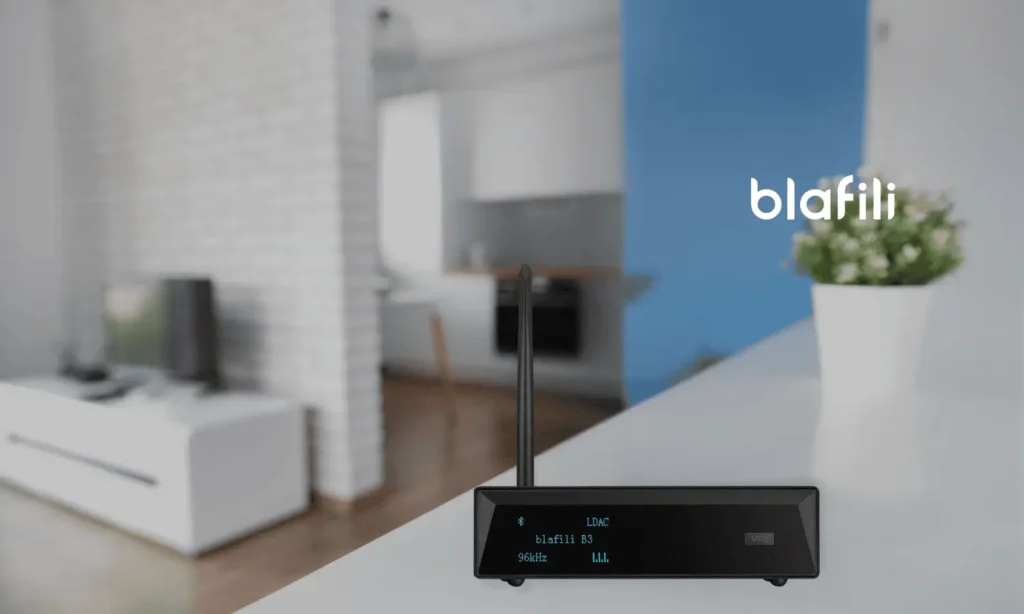
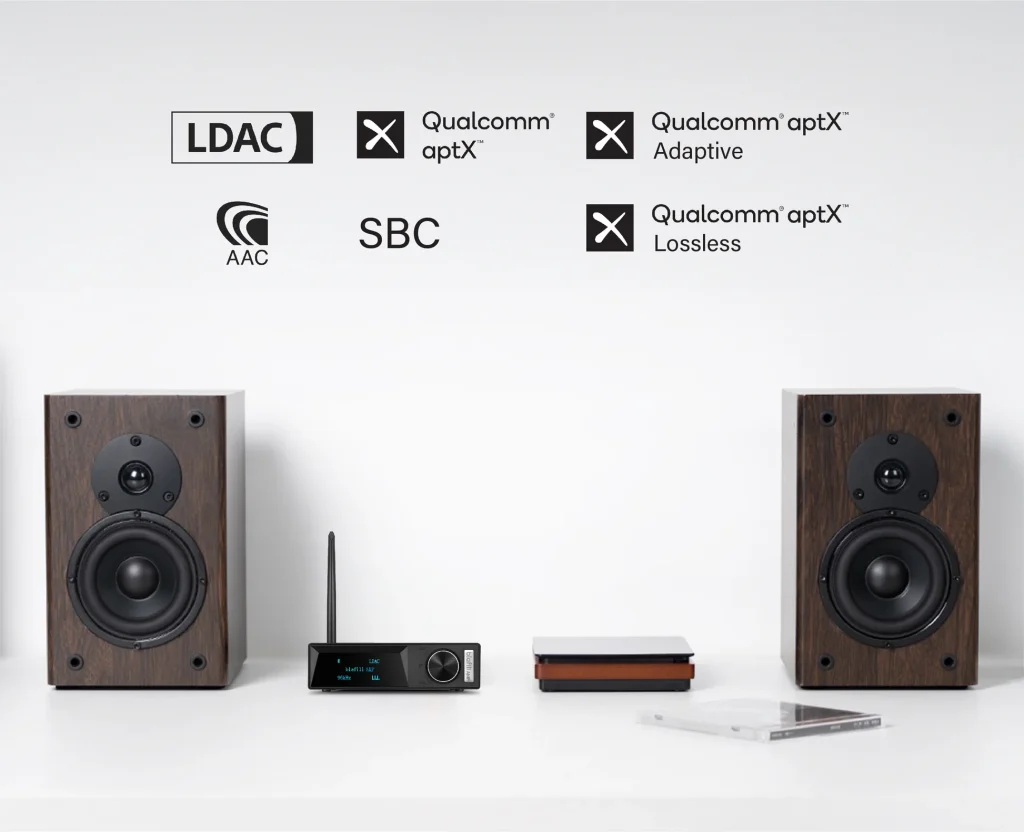
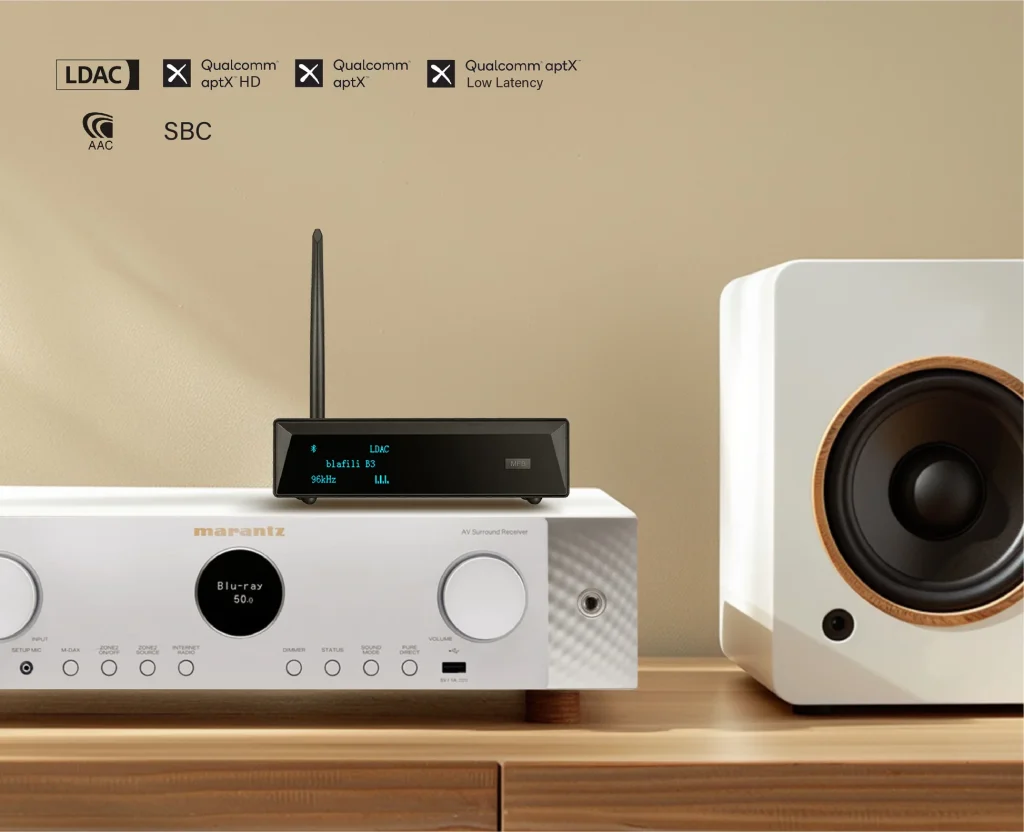
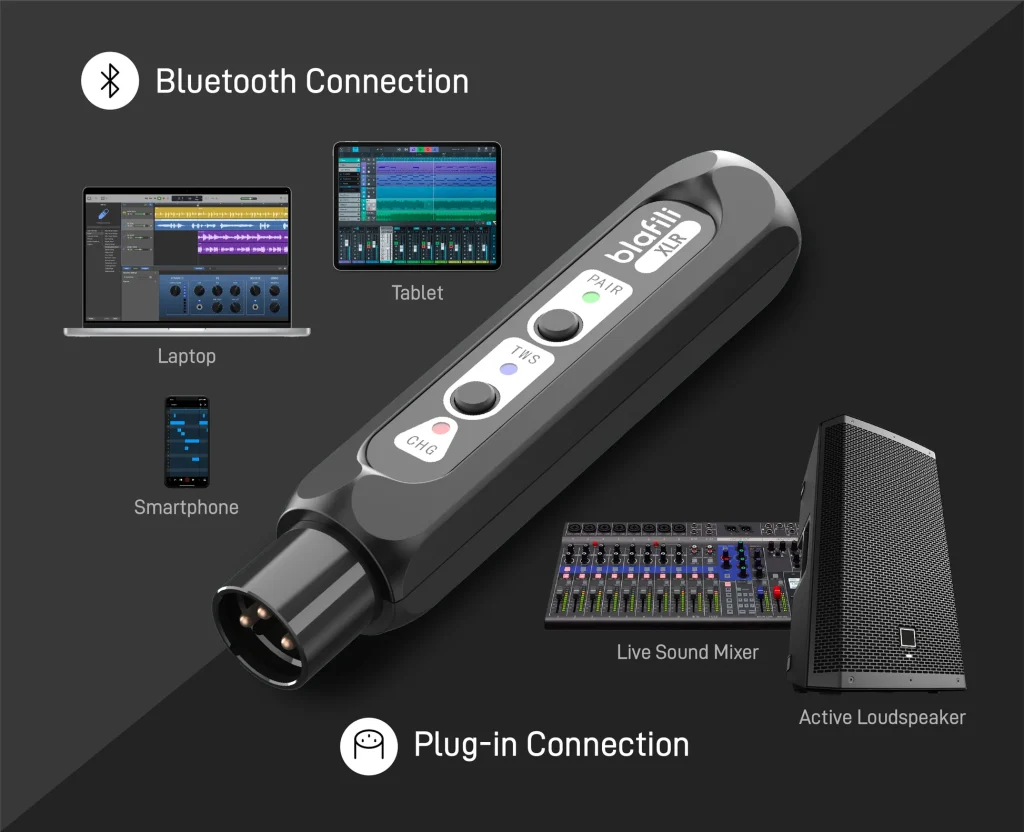
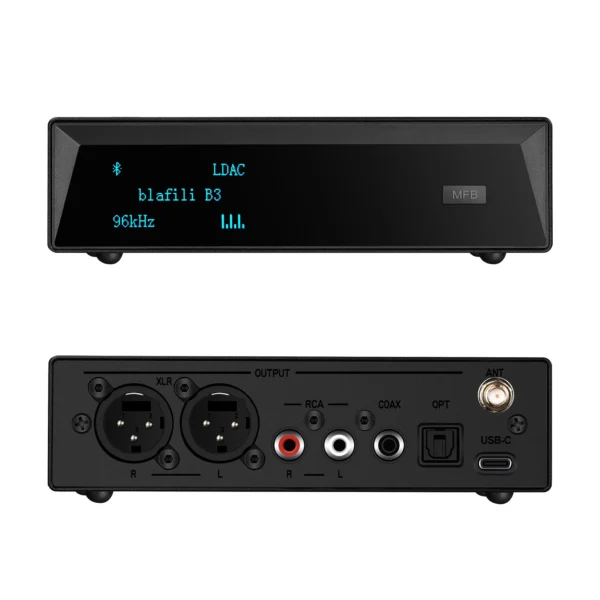
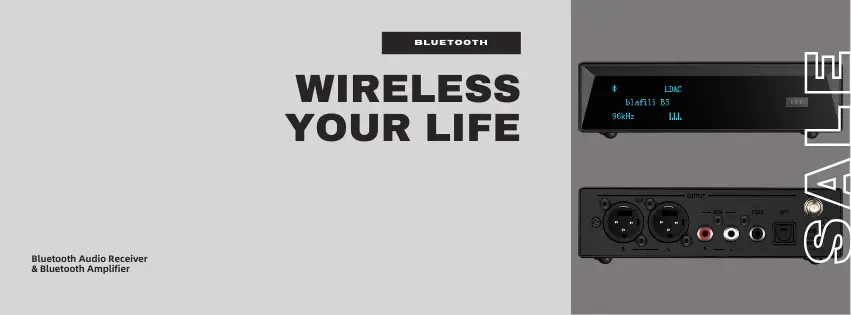
For example, the current blafili B3 product page identifies the B3 as a receiver with analog and digital outputs, while the blafili AMP product page identifies the AMP as a two-channel amplifier for compatible passive speakers. These are different signal paths, not interchangeable labels.

How to Install a Bluetooth Adapter for an Old Stereo
- Turn the stereo volume down. This avoids an unexpected high-level signal when the new input is selected.
- Connect one matching audio path. Use RCA or 3.5 mm for a compatible line input, or optical/coaxial when both devices support the same digital connection.
- Power the adapter according to its manual. Do not assume every model includes the same cable or power supply.
- Select the connected stereo input. Avoid the phono input unless the connected device is specifically designed to supply a phono-level signal.
- Pair the intended source. Open Bluetooth settings on the phone, tablet, or computer and select the adapter’s documented pairing name.
- Test at low volume. Confirm left and right channels, then raise the level gradually and retest from the normal listening position.
Wired vs Bluetooth for a Classic Audio System
A wired source avoids the Bluetooth radio link and its codec negotiation, while a Bluetooth receiver adds convenient point-to-point wireless audio. The Bluetooth SIG technology overview explains that Bluetooth Classic is commonly used for continuous wireless audio streaming in the 2.4 GHz ISM band.
- Choose wired playback when the source is stationary, the cable route is practical, or predictable latency is important.
- Choose Bluetooth reception when convenient playback from phones, tablets, or computers matters and the actual source-adapter-system combination performs acceptably.
- Keep both options when possible. Adding a receiver to one spare input does not require removing the existing wired sources.

What Determines Sound Quality?
A Bluetooth version number or codec logo does not predict the complete result. The source audio, codec actually negotiated by both endpoints, radio stability, receiver implementation, DAC, gain staging, amplifier, speakers, and room all contribute. Compare adapters through the same stereo input at matched volume instead of treating a sample-rate label as an audible guarantee.
Latency is also end-to-end. The source device, application buffering, negotiated codec, receiver, television processing, and amplifier can all add delay. For movies, games, or live monitoring, test the exact chain and use an available lip-sync adjustment rather than relying on a universal codec claim.
Troubleshooting Bluetooth Adapters with Vintage Equipment
- Paired but silent: verify the selected stereo input, mute state, source volume, cable, and whether the adapter output matches the stereo input.
- Hum or overload: confirm that the adapter is connected to a normal line input rather than phono, then isolate power and cable variables one at a time.
- Dropouts: test at short range, move the source and receiver into the open, and reduce dense or metal obstructions before changing equipment.
- Pairing fails: follow the exact reset and pairing procedure in that adapter’s manual; do not assume every model uses the same button or hold time.
- Digital output is silent: confirm the active input and supported digital audio format on the downstream DAC or amplifier.
The Bluetooth SIG range guide explains why there is no universal indoor distance. Reliable range depends on both radios, transmit power, receiver sensitivity, antennas, the physical layer, path loss, interference, and obstacles. A product’s stated maximum range is not a guarantee through every wall or equipment cabinet.
-
Sale!
 Original price was: $149.00.$109.00Current price is: $109.00.
Add to cart
Original price was: $149.00.$109.00Current price is: $109.00.
Add to cart
-
Sale!
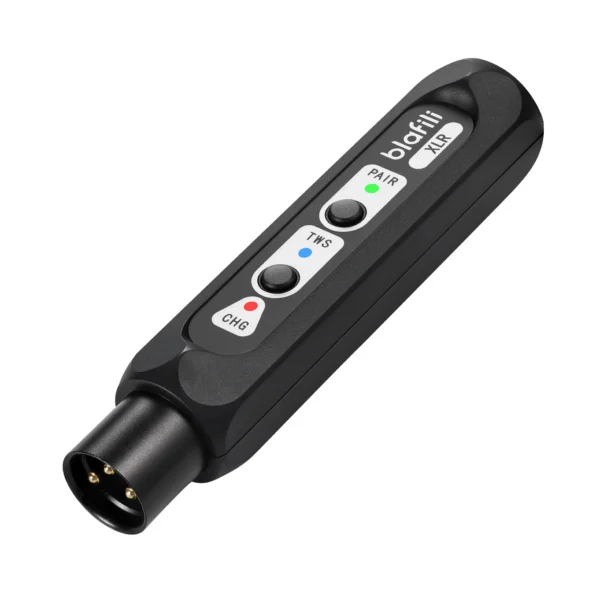 Original price was: $59.99.$40.99Current price is: $40.99.
Add to cart
Original price was: $59.99.$40.99Current price is: $40.99.
Add to cart
-
Sale!
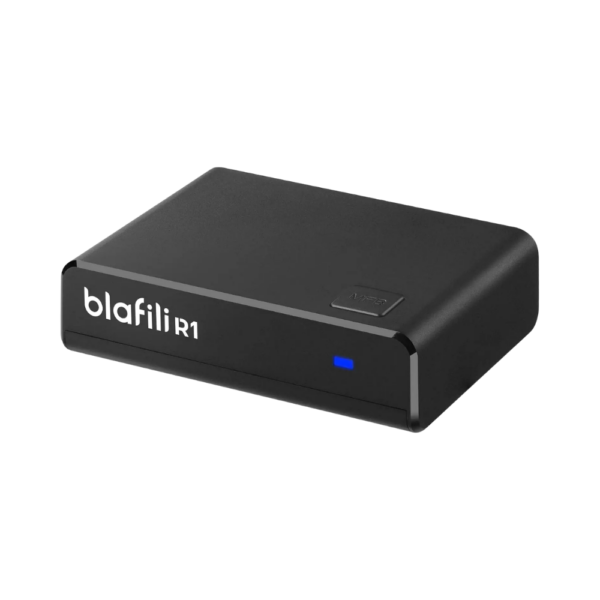 Original price was: $29.99.$21.99Current price is: $21.99.
Add to cart
Original price was: $29.99.$21.99Current price is: $21.99.
Add to cart
-
Sale!
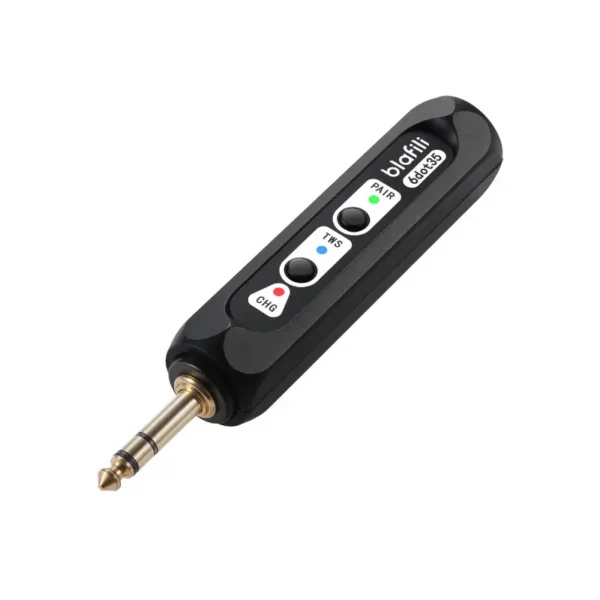 Original price was: $59.99.$44.99Current price is: $44.99.
Add to cart
Original price was: $59.99.$44.99Current price is: $44.99.
Add to cart
Frequently Asked Questions
What if my old stereo has no AUX input?
Look for another unused line-level input such as CD or tape. RCA is a connector type, not a guarantee of signal level, so verify the label and manual. If the system only exposes a phono input, seek equipment-specific advice rather than connecting a normal line output.
Can one adapter remember or connect to multiple sources?
That behavior is product-specific. Check the manual for pairing memory, multipoint support, reconnection order, and how to clear stored devices. Do not infer simultaneous playback from the number of devices an adapter can remember.
Can I use a Bluetooth receiver with a turntable?
A receiver adds Bluetooth input to the stereo; it does not transmit the turntable’s output. To send turntable audio over Bluetooth, the signal path needs the correct phono preamplification and a Bluetooth transmitter or another product explicitly designed for that direction.
How far will Bluetooth work?
There is no single indoor distance. The two devices, antennas, transmit power, receiver sensitivity, radio mode, obstacles, and interference determine the useful result. Test the actual source and adapter from the intended listening position.
Will it work with a tube amplifier?
It can when the amplifier or associated preamplifier has a compatible line-level or digital input and the receiver output is appropriate for it. Check the equipment documentation and begin with the volume low.
Bottom Line
A Bluetooth adapter can modernize an old stereo without replacing its amplifier or speakers. The safe choice starts with signal direction: match a receiver’s output to a real line-level or compatible digital input, keep normal line output away from phono, and add amplification when the system only has passive speakers.
After installation, test the complete source-adapter-stereo path at low volume and from the real listening position. That controlled result is more useful than a universal range, codec, latency, or sound-quality promise.