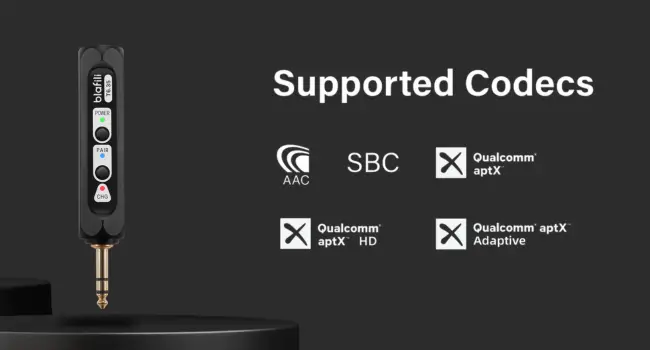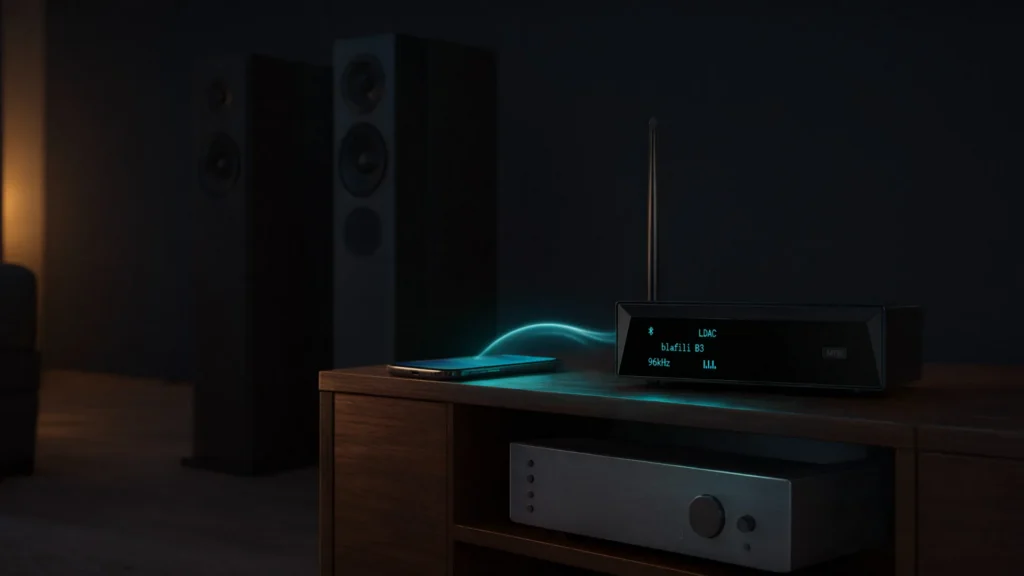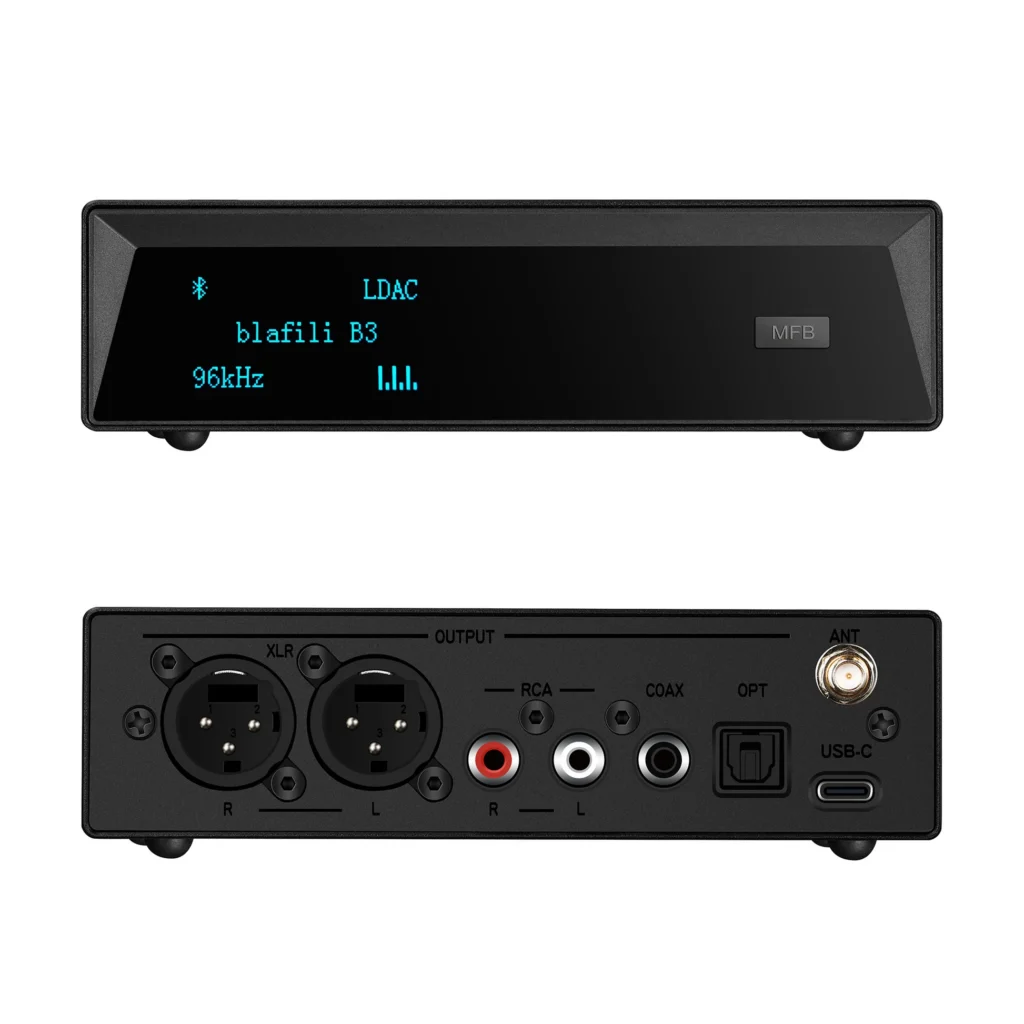


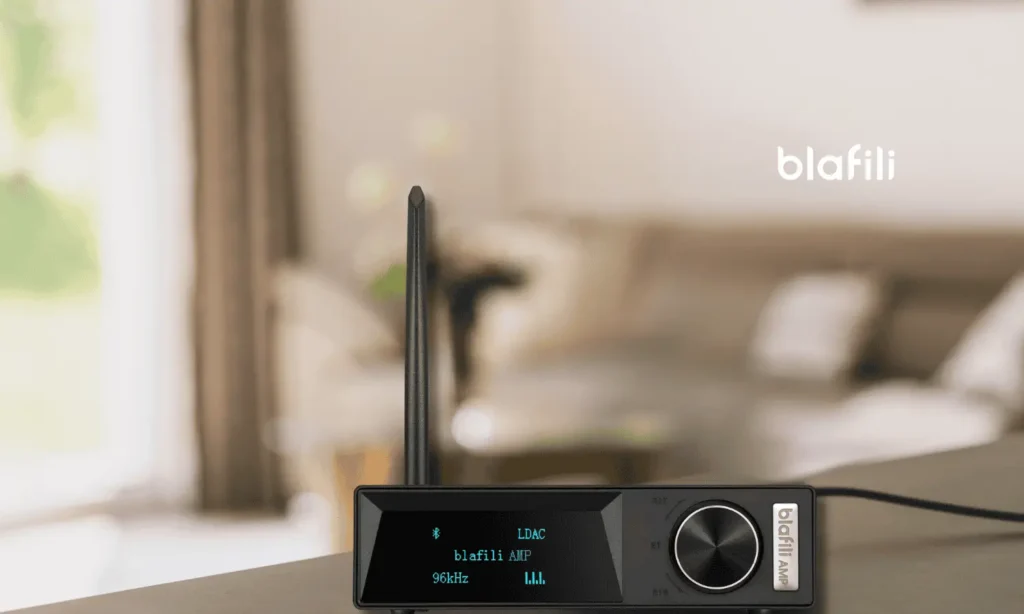
If you’re diving into the world of home audio, you’ve likely heard the buzz around mini receiver amplifiers. These compact powerhouses are changing the game for music lovers and home theater enthusiasts alike. But what makes them stand out? Let’s cut through the noise and explore why these tiny titans deserve a spot in your setup.

What Is a Mini Receiver Amplifier and Why Do You Need One?
A mini receiver amplifier is a compact, all-in-one device that combines an audio receiver and amplifier. Unlike bulky traditional AV receivers, these units pack serious power into a small footprint—perfect for apartments, offices, or minimalist spaces. But don’t let their size fool you! They support HDMI, Bluetooth, and even Wi-Fi connectivity, making them versatile for streaming music, gaming, or movie nights.
Why should you care? Imagine decluttering your entertainment center without sacrificing sound quality. For instance, the Yamaha R-N303 (a popular mini receiver) delivers 100W per channel and supports hi-res audio. Whether you’re a casual listener or an audiophile, these devices strike a balance between performance and practicality.
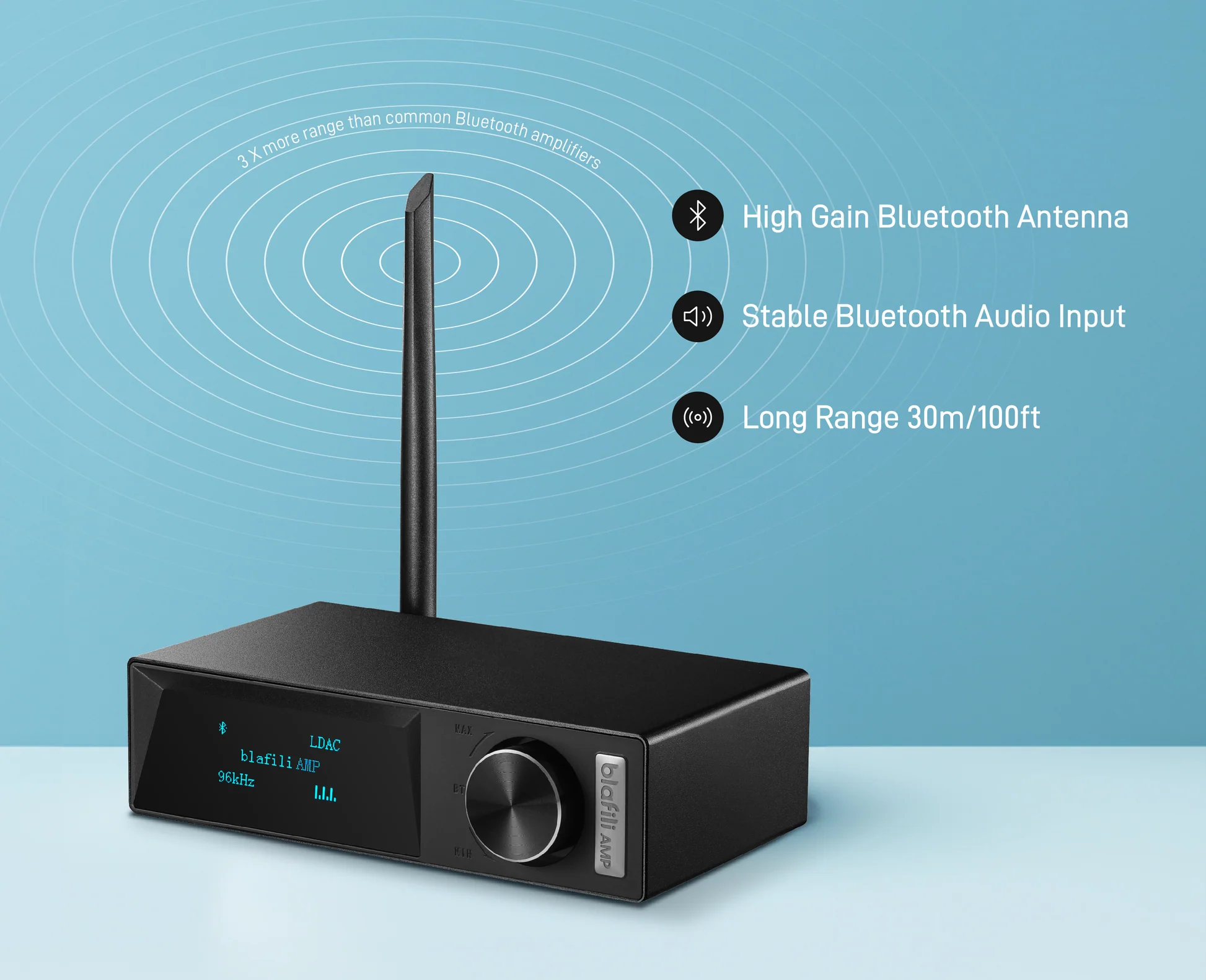
Top 5 Benefits of Using a Mini Receiver Amplifier
- Space-Saving Brilliance: Say goodbye to tangled wires and bulky gear. A mini receiver amplifier fits snugly on shelves or desks.
- Wireless Freedom: Stream music via Bluetooth or AirPlay 2—no need for messy cables.
- Multi-Room Magic: Many models, like the Sonos Amp, let you sync audio across multiple zones.
- Energy Efficiency: They consume less power than traditional receivers, saving you $$$ on bills.
- Easy Upgrades: Swap out speakers or add a subwoofer hassle-free.
Pro Tip: Pair your mini receiver amplifier with bookshelf speakers for a crisp, room-filling sound.
-
Sale!
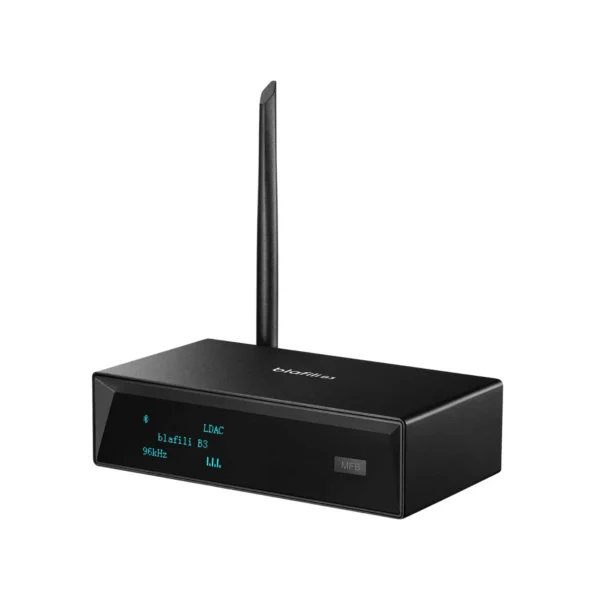 Original price was: $149.00.$109.00Current price is: $109.00.
Add to cart
Original price was: $149.00.$109.00Current price is: $109.00.
Add to cart
-
Sale!
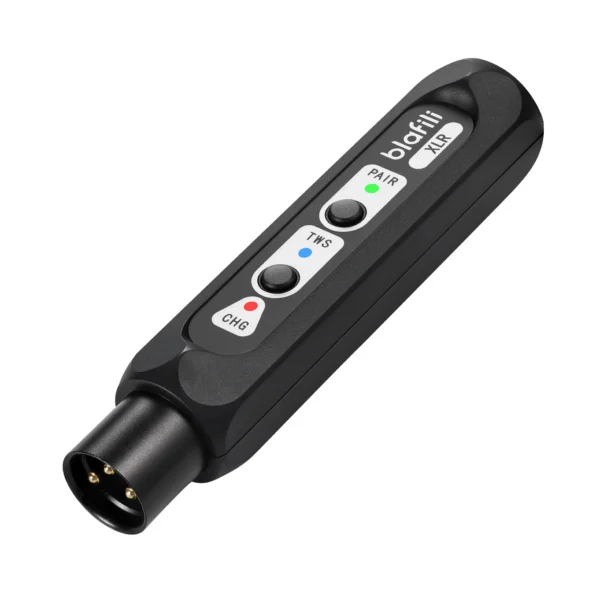 Original price was: $59.99.$40.99Current price is: $40.99.
Add to cart
Original price was: $59.99.$40.99Current price is: $40.99.
Add to cart
-
Sale!
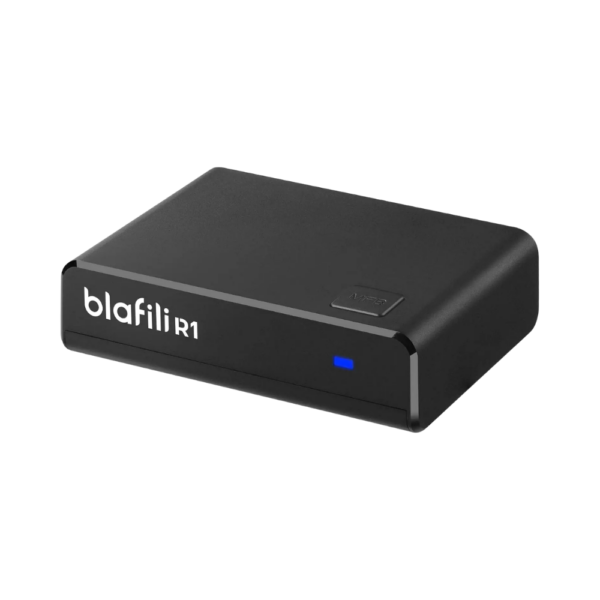 Original price was: $29.99.$21.99Current price is: $21.99.
Add to cart
Original price was: $29.99.$21.99Current price is: $21.99.
Add to cart
-
Sale!
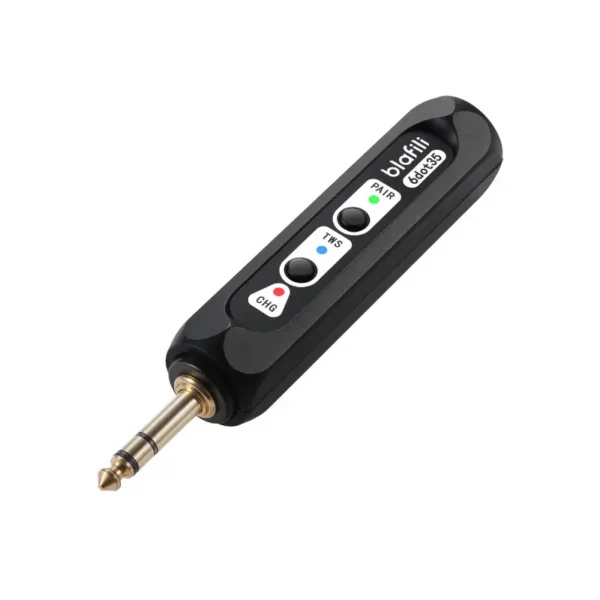 Original price was: $59.99.$44.99Current price is: $44.99.
Add to cart
Original price was: $59.99.$44.99Current price is: $44.99.
Add to cart
How to Choose the Best Mini Receiver Amplifier for Your Needs
Picking the right model boils down to three factors:
- Power Output: Aim for at least 50W per channel for medium-sized rooms.
- Connectivity: Look for HDMI ARC, optical inputs, and USB ports.
- Impedance Match: Ensure compatibility with your speakers (usually 4–8 ohms).
Check out this comparison table for popular models:
| Model | Power (W/Ch) | Bluetooth | HDMI | Price |
|---|---|---|---|---|
| Yamaha R-N303 | 100 | Yes | No | $349 |
| Sonos Amp | 125 | Yes | Yes | $649 |
| blafili AMP | 50 Watt * 2 MAX | Yes | No | $99 |
Installation Tips for Mini Receiver Amplifiers: Avoid These 3 Common Mistakes
- Ignoring Ventilation: These devices generate heat. Place them in open spaces, not cramped cabinets.
- Mismatched Speakers: Using 4-ohm speakers with an 8-ohm amp? That’s a recipe for distortion.
- Skipping Calibration: Use built-in tools like YPAO (Yamaha) to optimize sound for your room.
Mini Receiver Amplifier vs. Traditional AV Receivers: Key Differences
| Feature | Mini Receiver Amplifier | Traditional AV Receiver |
|---|---|---|
| Size | Compact (8–10 inches wide) | Large (17+ inches wide) |
| Channels | 2.1 or 5.1 | Up to 11.2 |
| Price | $100–$700 | $500–$2,500 |
| Best For | Small spaces, stereo setups | Home theaters, surround sound |

Maintenance Hacks to Extend the Lifespan of Your Mini Receiver Amplifier
- Dust Regularly: Use a microfiber cloth to prevent overheating.
- Update Firmware: Manufacturers like Denon release patches to fix bugs.
- Voltage Check: Use a surge protector to avoid power spikes.
Future Trends: How Mini Receiver Amplifiers Are Revolutionizing Home Audio
Expect smarter integrations! Brands are adding voice control (Alexa/Google Assistant) and Dolby Atmos support. Eco-friendly designs with recyclable materials are also on the rise.
FAQs
What’s the difference between a receiver and an amplifier?
A receiver includes an amplifier + radio tuner + input switcher. An amplifier only boosts audio signals.
Can a mini receiver amplifier power floor-standing speakers?
Yes, but check the wattage and impedance specs to avoid underpowering.
Do mini receivers support 4K video?
Higher-end models like the Sonos Amp include HDMI 2.1 for 4K passthrough.
How do I connect a turntable to a mini receiver amplifier?
Use a phono preamp or a model with a dedicated phono input.
Are mini receiver amplifiers compatible with smart home systems?
Many work with Alexa, Google Home, or Apple HomeKit.
Can I use a mini receiver amplifier outdoors?
Only if it’s rated for outdoor use (e.g., waterproof casing).
Conclusion
A mini receiver amplifier is your ticket to a sleek, powerful audio setup. By focusing on connectivity, power, and future-ready features, you’ll enjoy crystal-clear sound without the clutter. Ready to upgrade? Your ears will thank you! ?