

Stereo vs 5.1 is a format decision before it is a speaker purchase, and for music listening the two layouts answer different questions. Stereo vs 5.1 for music comes down to how a recording was mixed, how the room is shaped, and how much cabling a household will tolerate. This comparison walks through imaging, room demands, and real cost so the choice lands on listening habits rather than on a store default.
What Stereo and 5.1 Actually Mean
Stereo carries two discrete channels, left and right, and the stereo format has anchored music reproduction for decades; a stereophonic sound overview traces how two channels create a soundstage between the speakers. Almost every music recording, from streaming albums to vinyl masters, is mixed for two channels first.
A 5.1 layout adds a center channel, two surrounds, and a low-frequency effects channel, a structure the surround sound reference documents in full. That structure exists mainly to serve film soundtracks: dialogue anchoring, effects panning behind the listener, and bass events that a music mix rarely requests. Music releases in surround exist, but they remain a small corner of the catalog compared with the two-channel mainstream.
Placement Geometry in Real Rooms
The stereo triangle is the working rule: two speakers and the listening seat form an equilateral triangle, with tweeters near ear height and a slight toe-in toward the seat. Symmetry carries as much weight as distance, because a bookshelf on one side skews the image the same way a lopsided speaker angle does.
Reflections decide the ceiling on imaging quality. First reflection points on the side walls and the floor arrive at the seat milliseconds after the direct sound and smear the phantom center; a rug and one absorbing panel per side recover detail that no amplifier upgrade can buy back. Rooms that refuse full treatment still benefit from pulling the speakers off the front wall, which reduces the bass smear that hides low-level detail in mixes.
Music Imaging: Where Stereo Wins
Two well-placed speakers build a phantom center where a vocal sits between the instruments, and that imaging is the core reason music buyers stay with stereo. The effect depends on symmetric placement and a listening position on the triangle axis, requirements a two-channel setup guide covers in practical terms.
Five speakers do not improve a two-channel mix.Format history explains the stubbornness of the two-channel catalog. Multichannel music formats have launched repeatedly and each wave still masters a stereo mix for the mainstream release, so a buyer choosing stereo is choosing the format the industry mixes for by default rather than a legacy corner.
When a receiver spreads stereo content across surround speakers, the phantom image blurs into the physical center channel, and the mix engineer’s balance changes shape. Purists disable such spreading for critical listening, which leaves the surround hardware idle during music sessions.
Room and Wiring Reality
A 5.1 system asks the room for five sensible speaker positions and cable runs to each, which rents poorly in apartments and fights open floor plans. Rear surrounds need placement behind the listener, and that requirement alone decides many projects before sound quality enters the conversation.
Stereo asks for two positions and one listening axis.Wiring economics follow the same line. Two speaker cables and one interconnect complete a stereo chain, and a wireless receiver on the input side removes the last long run from phone to amplifier, which is the cable most households actually trip over.
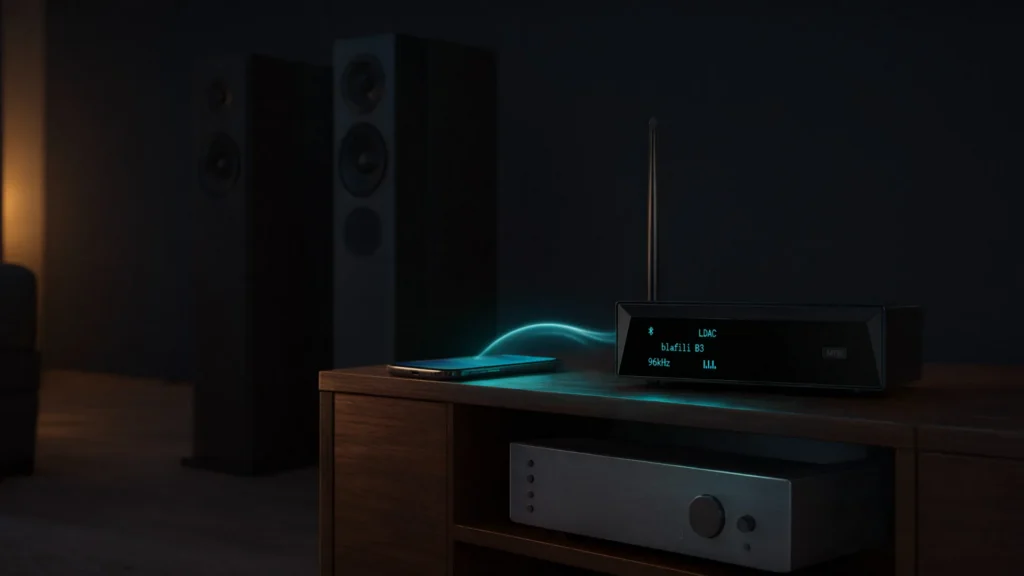
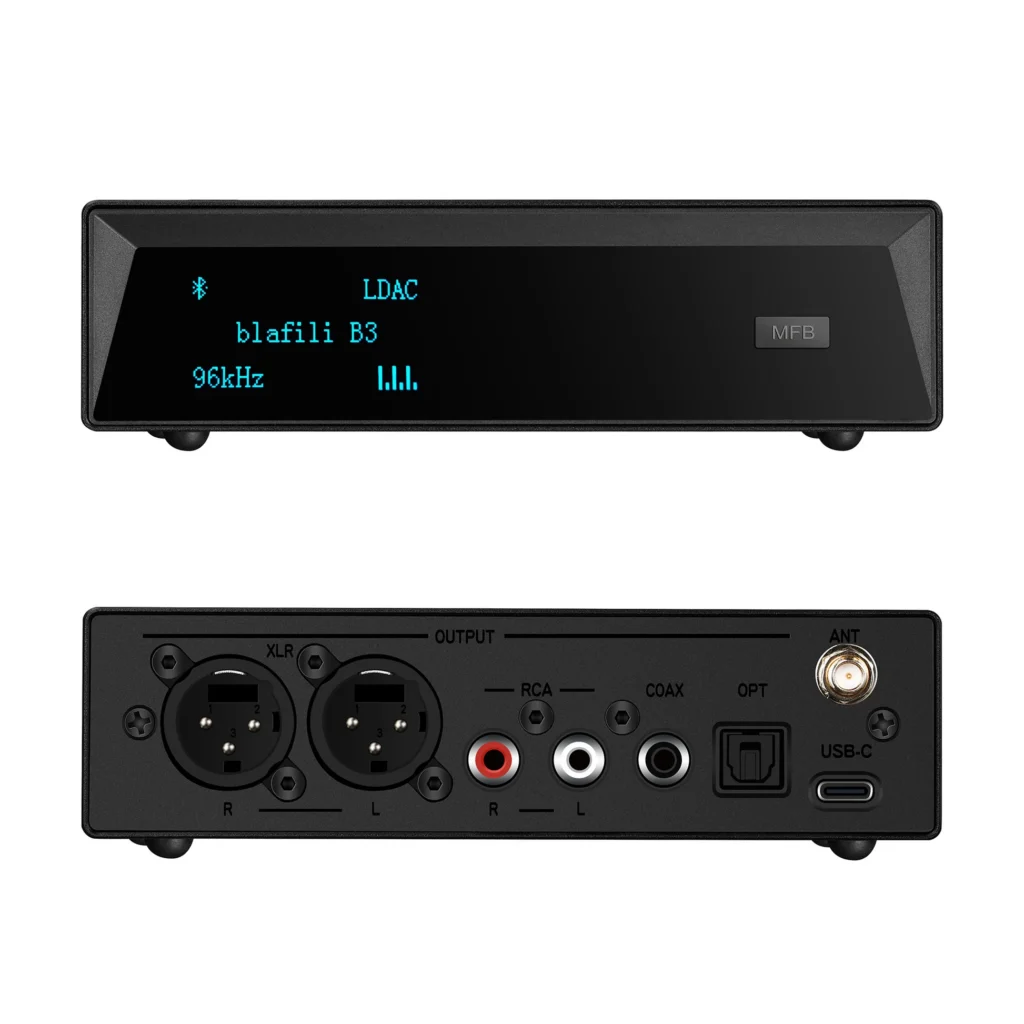
That simplicity is why the format survives every surround generation, and why compact stereo chains with a wireless input, such as a Bluetooth receiver feeding a stereo amplifier, keep selling to music-first households. The receiver side of that chain is covered in depth by a receiver selection piece for wired speakers.
Cost per Listening Hour
Budget math favors stereo for music.Think in cost per listening hour and the stereo case strengthens further. A music-first household logs most hours on two-channel sources, so the surround hardware sits idle through the majority of playtime while its share of the budget stays spent; concentrating that share into the two channels that actually work raises the quality of every hour played.
A fixed spend split across two speakers buys drivers and cabinets a class above the same spend split across five, and the amplifier section follows the same curve. A single stereo receiver with balanced outputs can serve a listening room for years without format churn.
Home cinema is the honest exception. Spread the same budget exercise across real listings and the gap widens: a five-speaker set at a given price point buys smaller cabinets, lighter drivers, and an amplifier that must feed six channels, while the stereo alternative at the same total concentrates the money where music actually plays. The upgrade path also stays cheaper, because a better pair of stands or one acoustic panel improves the chain without touching five speakers at once. If film nights dominate the calendar, 5.1 earns its cost through effects and dialogue clarity, and music simply rides along in stereo mode. Households split evenly between film and music often start with a strong stereo pair and add surrounds later, which preserves music quality while leaving the door open.
How to Decide in One Evening
Play three reference tracks you know by heart on the current system and note where the vocal sits.Bring your own source material to any audition. Store demo tracks on a phone and ask for a line-in, because showroom streams hide the imaging faults this test exists to expose; a shop that refuses a familiar track is answering a different question than the one you asked.
Then audition a proper stereo pair on the same tracks at a similar total budget. If the stereo pair makes the vocal float between the speakers and the surrounds do not add anything you miss, the decision is made.
Write the room facts down before shopping: Choose tracks that expose the decision. One familiar vocal track shows imaging, one dense mix shows separation, and one live recording reveals whether the room fakes a hall or collapses it. If the audition system cannot place the vocal between the speakers on all three, no surround count will repair it later. the two usable speaker positions, the listening seat, and the cable path. Those three lines rule out more wrong purchases than any spec sheet, and they keep the stereo versus surround debate anchored to your walls rather than to a showroom.

FAQ
Is 5.1 better for music than stereo?
Most music is mixed for two channels, so a quality stereo pair reproduces it as intended. Surround adds value mainly for film soundtracks and the small catalog of surround music releases.
Can I run stereo speakers from a 5.1 receiver?
Yes. Any AVR carries a stereo mode that drives the front pair alone, though a dedicated stereo amplifier often gives the same money better sound for music.Check the analog output count before committing, because some AVRs trim line-level outputs in favor of speaker terminals, and a stereo chain built on a receiver without them loses the upgrade path.
Do I need a subwoofer with stereo?Room size shapes the answer as much as the speakers do. A small sealed room flatters bookshelf bass, while an open plan steals low-end energy and pushes the decision toward adding the subwoofer.
Only if the main speakers lack bass reach for your room. Many bookshelf pairs with a subwoofer deliver full-range stereo without moving to a surround layout.
Does Bluetooth favor one layout?
Bluetooth receivers output stereo, which matches two-channel systems directly. Feeding a surround chain from Bluetooth still starts from a stereo stream, so the wireless link does not change the format decision.