

Unveiling the World of Audiophile Audio
High-end audio has shifted in recent years, with Bluetooth technology now able to carry near-lossless streams to a serious listening system. While audiophiles have long relied on wired connections for superior sound quality, the rise of Bluetooth receivers has introduced a level of flexibility and convenience previously unimaginable. As more audio enthusiasts explore wireless solutions, audiophile Bluetooth receivers have rapidly gained traction, allowing users to enjoy pristine sound without the clutter and limitations of cables.
Why are audiophiles turning to Bluetooth receivers for top-tier sound quality? The answer lies in the advancements of wireless technology. A quality Bluetooth receiver can now deliver lossless audio that rivals traditional wired systems. These advancements, combined with the convenience of Bluetooth’s wireless nature, have made it an essential component for those seeking a premium audio experience. This article covers what sets audiophile Bluetooth receivers apart and what they change in a listening setup.
Understanding the Audiophile Bluetooth Receiver
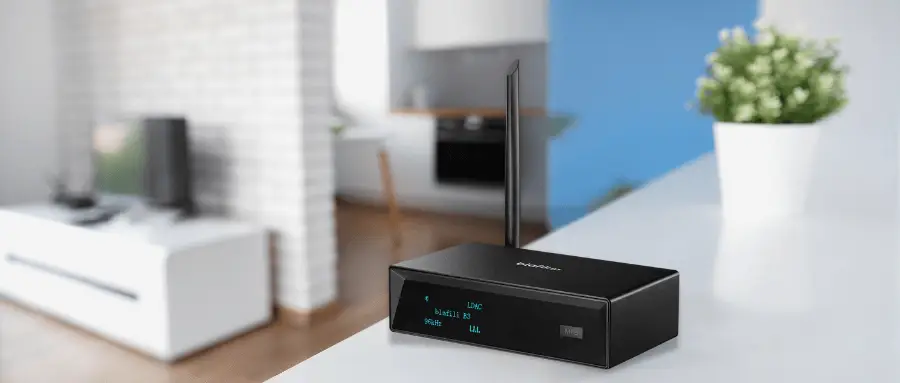
To truly appreciate the value of an audiophile Bluetooth receiver, it’s important to understand what distinguishes it from consumer-grade Bluetooth receivers. At its core, an audiophile Bluetooth receiver is engineered to deliver the highest sound quality possible through Bluetooth transmission. It ensures that no detail in your audio is lost during the wireless transfer, preserving the purity of the music.
Key Features of High-End Bluetooth Receivers
Audiophile-grade Bluetooth receivers boast several important features, including:
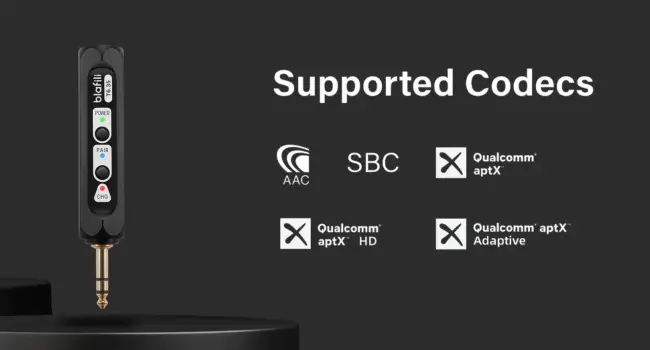
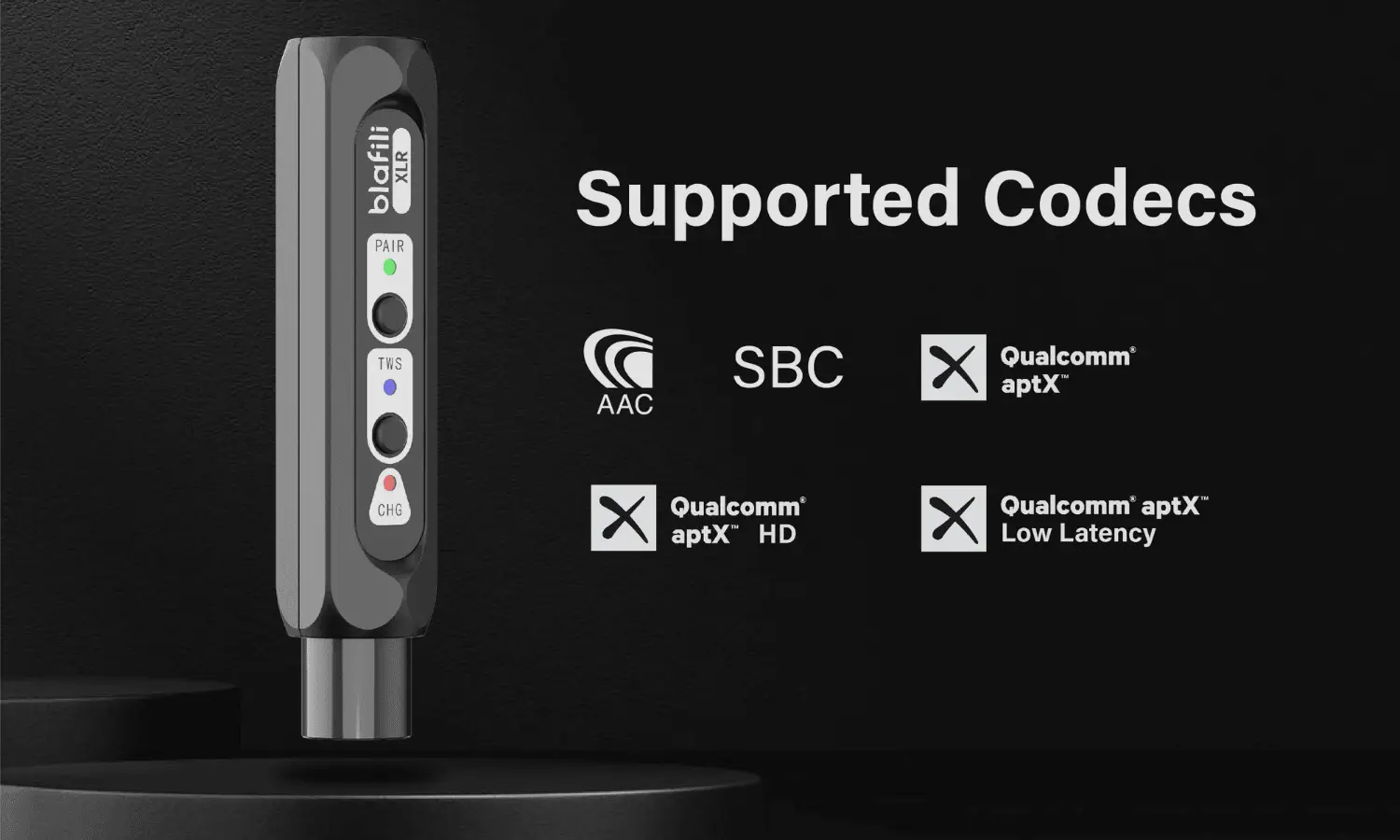
- Advanced Audio Codecs: Support for high-definition codecs like aptX HD, LDAC, and AAC ensures that the audio signal maintains its integrity during transmission.
- Improved DAC (Digital-to-Analog Converter): A premium DAC in the receiver guarantees superior sound conversion, turning digital signals into analog with minimal distortion.
- Signal Stability: High-end receivers hold the connection steady and keep dropouts and interference to a minimum.
Lossless Audio Codecs
One of the defining characteristics of an audiophile Bluetooth receiver is its support for lossless or near-lossless audio codecs. The aptX HD, AAC, and LDAC codecs are specifically designed to reduce compression and maintain the highest fidelity possible. This is particularly important when streaming high-resolution audio files, such as FLAC or ALAC. These codecs preserve the full dynamic range of the audio, allowing listeners to hear the intricate nuances of each recording.
The Science Behind High-End Audio
Understanding how Bluetooth technology preserves sound quality over wireless transmission is essential in grasping the superiority of audiophile Bluetooth receivers. Bluetooth technology has advanced significantly in recent years, with developments in data transfer speeds and codec efficiency ensuring high-quality audio reproduction. While Bluetooth was once synonymous with compression and a drop in quality, today’s better receivers use codecs like aptX HD and LDAC to deliver high-fidelity sound.
The Role of the DAC (Digital-to-Analog Converter)
The DAC is central to any audiophile audio system, and its quality matters just as much in wireless setups. In an audiophile Bluetooth receiver, the DAC converts the digital audio signals received via Bluetooth into analog signals, which are then amplified and sent to your speakers or headphones. A high-quality DAC ensures that no detail is lost in the conversion process, providing a clean, natural sound.
Why Signal Interference and Latency Matter
Signal interference and latency are two of the most significant challenges in wireless audio. However, audiophile-grade Bluetooth receivers are designed to minimize these issues. Low-latency transmission is essential for synchronization between audio and video, especially in applications like gaming or watching movies. By keeping latency low, these receivers hold audio in sync with visuals, which matters for gaming and video. Signal interference can also distort sound quality; high-end Bluetooth receivers use better antennas and tuning to hold the signal steady, which cuts the chance of interruptions.
Advanced Codecs for Fidelity
The latest aptX and LDAC codecs are designed to support high-resolution audio streaming over Bluetooth without significant loss of quality. These codecs transmit audio at much higher bitrates than standard Bluetooth, so even complex musical passages come through intact.
Audiophile Bluetooth Receiver vs. Traditional Audio Systems
When comparing audiophile Bluetooth receivers to traditional wired audio systems, the advantages of wireless technology become clear. While wired connections are often preferred for their reliability, Bluetooth receivers offer significant benefits in terms of flexibility and ease of use.
Why Bluetooth Receivers Are Ideal for Modern Audiophile Setups
Going wireless removes the cable run between the phone and the amplifier, so the setup stays tidy. With Bluetooth receivers, you can reduce cable clutter without compromising sound quality. This is especially advantageous in small spaces or minimalist setups, where fewer wires enhance both the aesthetic and functionality.
Wired Connections vs. Wireless Bluetooth for Sound Quality
While wired connections remain the benchmark for audiophile setups, audiophile Bluetooth receivers come remarkably close in terms of sound fidelity. With the right Bluetooth codec, the signal quality transmitted wirelessly can match or even exceed that of traditional analog cables. The difference in sound is often imperceptible to most listeners, making wireless setups an attractive option for audiophiles.
The Flexibility of Bluetooth in Various Audio Environments
Bluetooth receivers offer unparalleled flexibility. Whether you’re connecting to speakers, headphones, or car audio systems, Bluetooth pairs with a wide range of devices. This versatility is key for modern audiophiles, who want to enjoy high-quality sound no matter the location or setup.
The Benefits of Using an Audiophile Bluetooth Receiver
Superior Sound Quality
One of the primary reasons for using an audiophile Bluetooth receiver is the superior sound quality it offers. These receivers can handle high-resolution audio streams, providing clear, detailed, and dynamic sound across the entire frequency range. Whether you’re listening to classical music, jazz, or electronic, an audiophile Bluetooth receiver ensures that you hear every subtle detail of your favorite tracks.
Freedom from Cables
Wireless audio has long been associated with convenience, and the audiophile Bluetooth receiver takes this to the next level. Without the constraints of wires, you can move freely and set up your system wherever you please. This freedom is especially valuable for home theater systems, live performances, or studios where mobility is key.
Versatility in Integration
An audiophile Bluetooth receiver is compatible with various audio equipment, including amplifiers, speakers, and headphones. You can add it to most existing audio setups and improve the sound without overhauling the entire system.
Future-Proofing Your Audio Setup
Bluetooth is becoming the industry standard for wireless audio, and adopting an audiophile Bluetooth receiver ensures that your system is prepared for future advancements. As new codecs and technologies emerge, Bluetooth receivers continue to evolve, ensuring long-term compatibility and premium audio performance.
How to Choose the Right Audiophile Bluetooth Receiver for Your Setup
Selecting the perfect audiophile Bluetooth receiver for your needs requires careful consideration. Here are a few key factors to guide your decision:
Codec Support
Ensure that the receiver supports high-end audio codecs such as aptX HD, LDAC, and AAC for the best possible sound quality. These codecs are essential for transmitting high-resolution audio without significant loss of fidelity.

Range and Signal Stability
The range of the Bluetooth receiver is crucial, particularly for larger setups. Look for a receiver that provides strong, stable signal transmission to ensure consistent sound quality throughout your space.
Compatibility
Ensure that the receiver is compatible with your existing audio equipment, including amplifiers, speakers, and headphones. Many audiophile Bluetooth receivers offer broad compatibility with both high-end and mid-range audio systems.
Top-Rated Audiophile Bluetooth Receivers
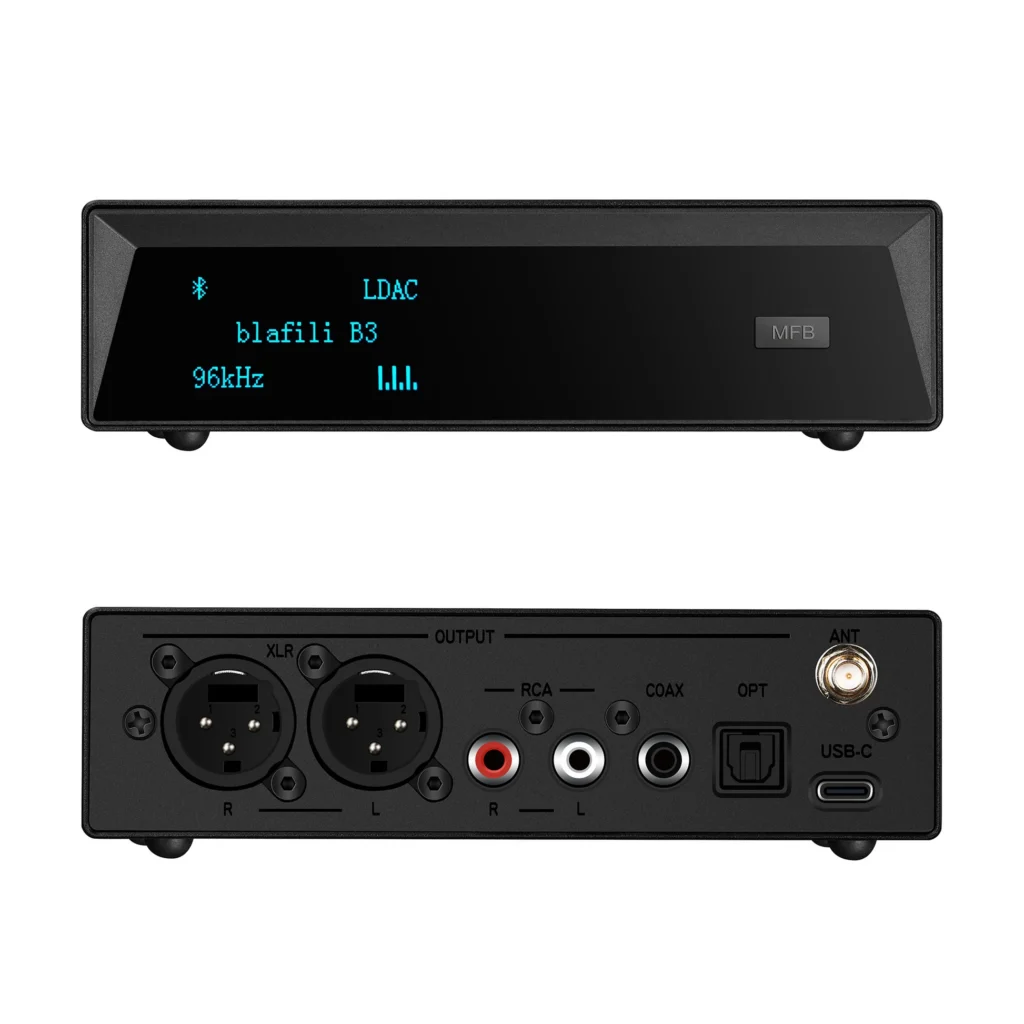
Some of the best audiophile Bluetooth receivers on the market today include the blafili B3, iFi Audio Zen Blue, and Cambridge Audio CXN V2. These models are known for their exceptional sound quality, build, and reliability.
The Future of Audiophile Bluetooth Technology
Audiophile Bluetooth technology keeps improving as new codecs and Bluetooth versions arrive. Emerging trends like Bluetooth 5.0, aptX Adaptive, and AI-powered sound systems are setting the stage for even better performance.
Predictions for the Next Wave of Audiophile Bluetooth Receivers
Future audiophile Bluetooth receivers will offer even higher resolution audio, enhanced wireless stability, and smarter integrations with smart home systems. The integration of AI and machine learning will allow receivers to automatically optimize audio performance based on the environment.
Improve Your Audio Experience with Audiophile Bluetooth Receivers
When shopping, check codec support first: your phone and the receiver should both handle aptX HD or LDAC, since a codec only works when both ends support it. Match the outputs to your gear, whether RCA, XLR, or optical, and look at the built-in DAC the same way you would when buying a CD player or a DAC-amplifier. A receiver that covers these points adds wireless streaming to a serious system while giving up little in sound quality.