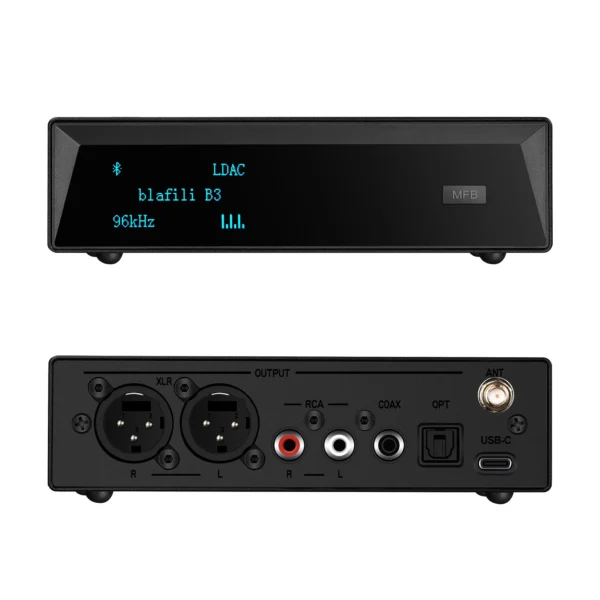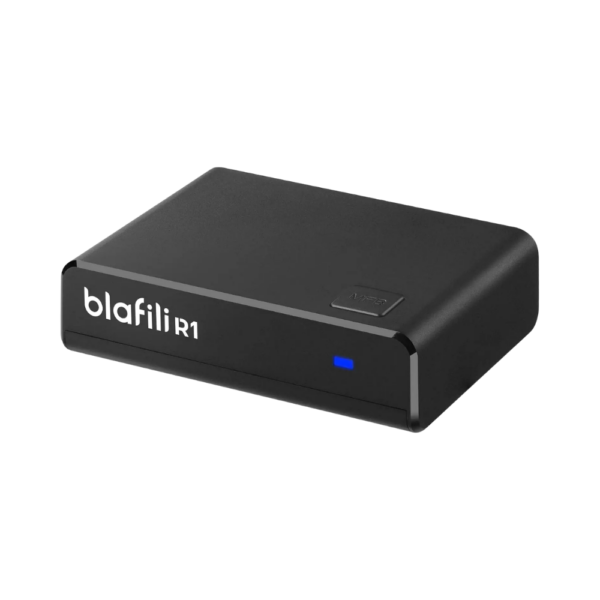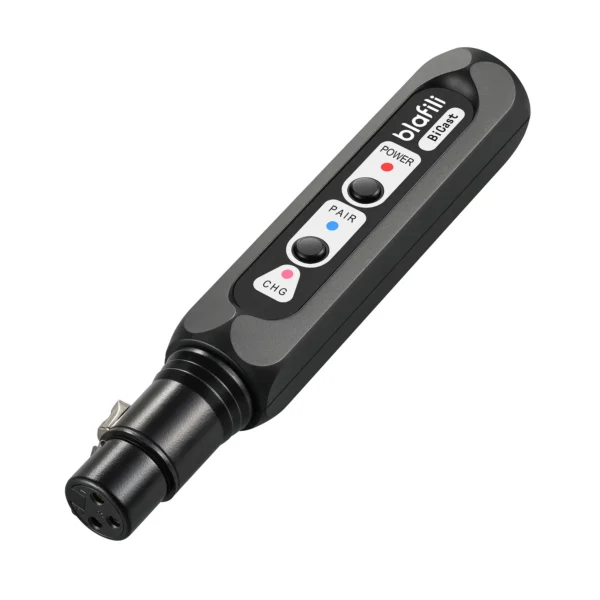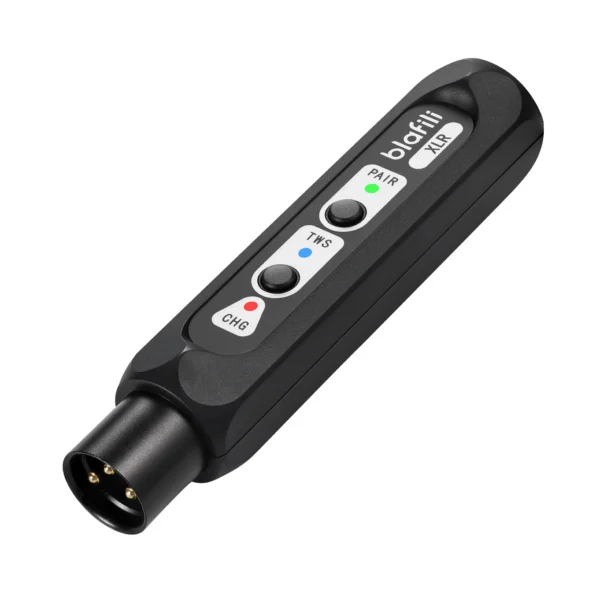


A bluetooth speaker connector is a small adapter, usually sold as a Bluetooth audio receiver, that lets wired speakers play wireless audio. Plug it into the speaker’s aux, RCA, or speaker-wire input, pair a phone, and the speakers stream over Bluetooth. The phrase can also describe the physical plugs on audio gear, yet store listings and how-to guides mostly use it for the adapter. From here, it comes down to three moves: trace the signal from phone to speaker, match the adapter to your speaker’s input, and check four specs before you order.
What Is a Bluetooth Speaker Connector?
The term shows up in two contexts. In an electronics catalog, a bluetooth speaker connector may mean a plain audio plug, the metal jack or pin that carries a signal between components. In most search results and product categories, though, the phrase points to a different device. It means a Bluetooth receiver that adds a wireless input to a speaker with only wired inputs. This article follows the second meaning, because that is what most shoppers actually need.
What does a bluetooth speaker connector actually do? The adapter packs three parts into a small box: a Bluetooth radio, a digital-to-analog converter, and an output stage. It receives audio over the A2DP profile, the Bluetooth standard for streaming stereo sound, as defined by the Bluetooth SIG. On the speaker side it behaves like any wired source, so the speaker cannot tell the difference between the adapter and a CD player.
From Phone to Speaker: The Five-Hop Signal Path
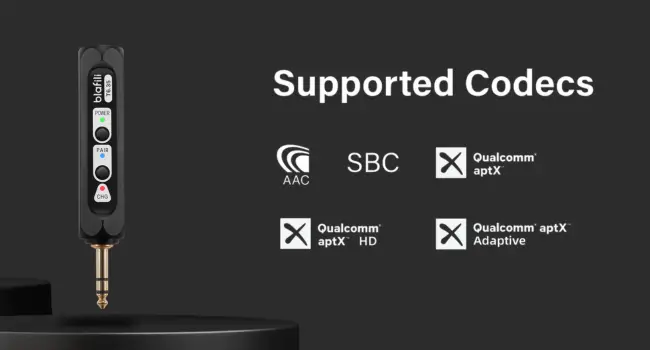
The chain runs in five short hops. Your phone compresses the track with a codec. The adapter’s radio picks the stream up over the air. The DAC inside the bluetooth speaker connector turns the digital data back into an analog waveform. The speaker or amplifier plays it. SBC is the default codec that every Bluetooth audio device supports, though it trades some quality for compatibility, as the SBC codec article on Wikipedia explains. Newer codecs such as aptX or LDAC push more data through the same link when both devices support them.
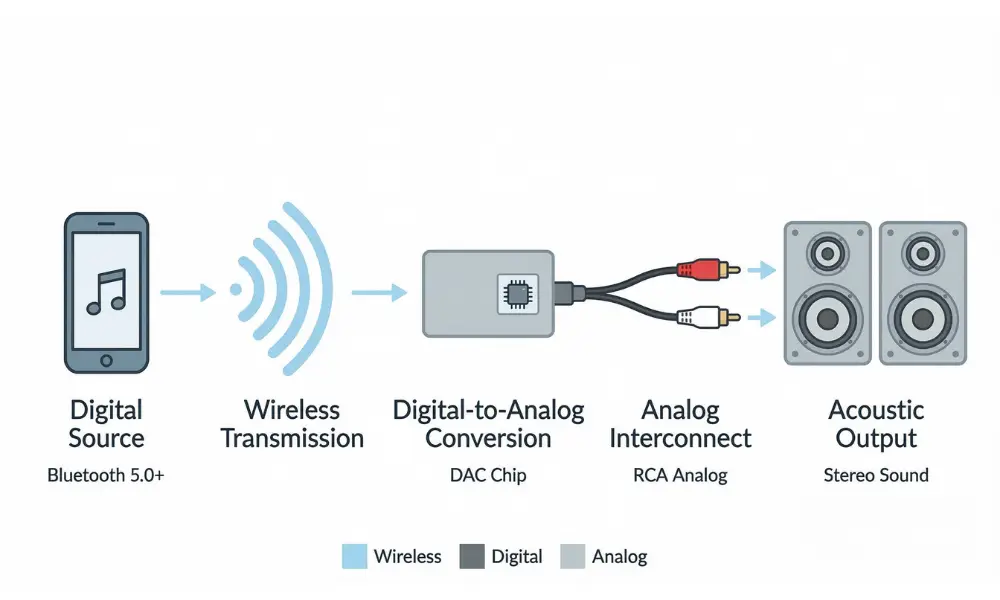
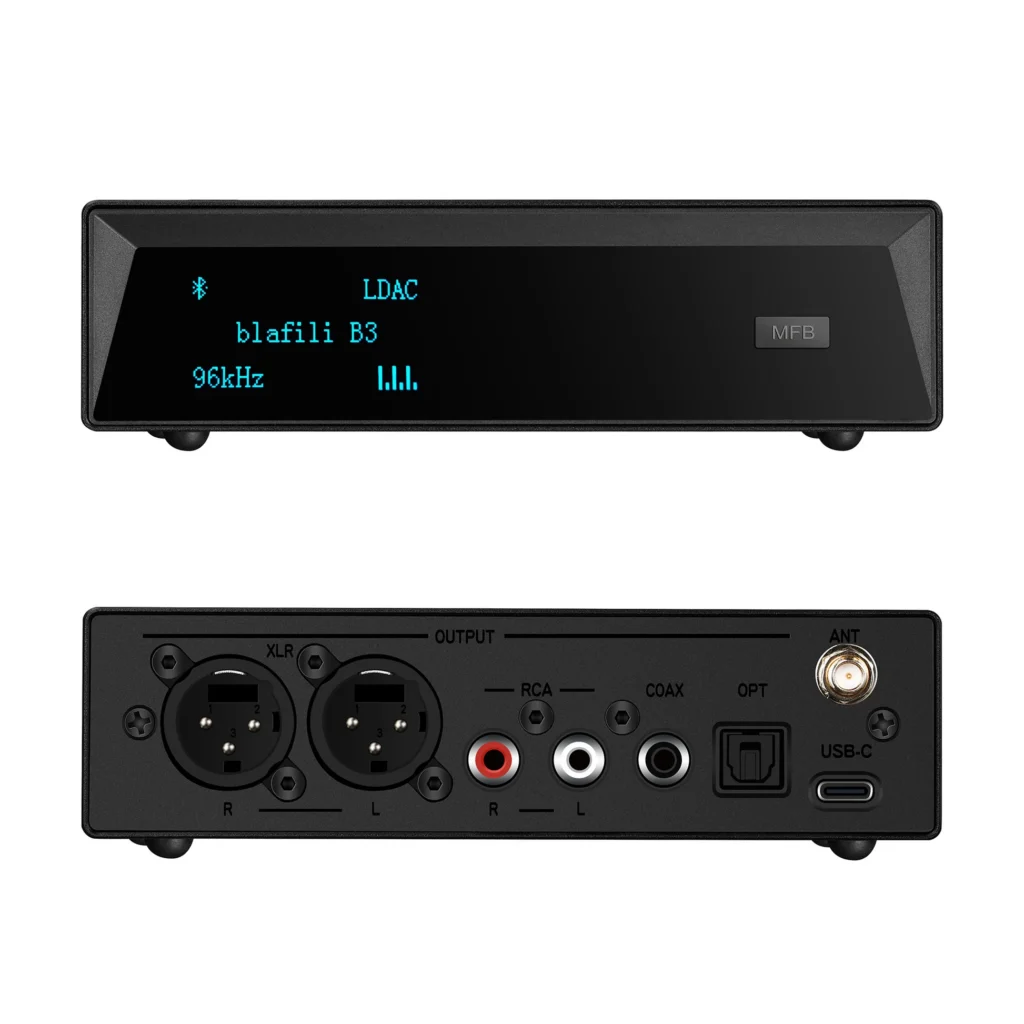
Because the DAC and output stage live inside the adapter, sound quality tends to track the adapter’s build more than the speaker’s age. This is why a bluetooth speaker connector works with speakers decades older than the Bluetooth standard. A typical unit such as the blafili B3 Bluetooth Music Receiver bundles the radio, DAC, and RCA plus 3.5 mm outputs in one housing. There is no software to install and no driver to update. Volume, tone, and speaker choice still come from your existing gear.
How to Turn Wired Speakers into Bluetooth Speakers
Setup with a bluetooth speaker connector takes about ten minutes and no special tools.
- Check the speaker’s input. Look for a 3.5 mm aux jack, red and white RCA jacks, or bare speaker-wire terminals.
- Pick an adapter whose output matches that input. A 3.5 mm-to-RCA cable can bridge small gaps.
- Power the adapter through USB, a wall adapter, or its built-in battery.
- Put the adapter in pairing mode and select it from your phone’s Bluetooth list.
- Set the speaker’s source to the input the adapter uses, then raise the volume gradually.
That is the whole process. Placement matters more than it seems, though. A shelf with open air around the adapter streams more reliably than a cabinet packed next to a Wi-Fi router. Keep the adapter within sight of wherever your phone usually sits, and most range complaints disappear before they start.
For a longer walkthrough with specific gear combinations, How to Use a Bluetooth Adapter for Wired Speakers Effectively covers pairing and placement in more detail. One caution applies to passive speakers, the kind with bare wire terminals and no power cord. They need amplification, so the bluetooth speaker connector has to feed an amplifier rather than the drivers directly.
Matching the Connector to Your Speaker’s Input
Input matching decides whether a bluetooth speaker connector works with your speakers at all. The table below maps the three common speaker inputs to the adapter output you need.
| Speaker input | Adapter output you need | Typical gear |
|---|---|---|
| 3.5 mm aux jack | 3.5 mm plug or 3.5 mm-to-RCA cable | Powered desktop speakers, portable radios |
| RCA jacks, red and white | Pair of RCA plugs | Home stereo receivers, older amplifiers |
| Bare speaker wire | RCA or 3.5 mm output into an external amplifier | Passive bookshelf speakers |
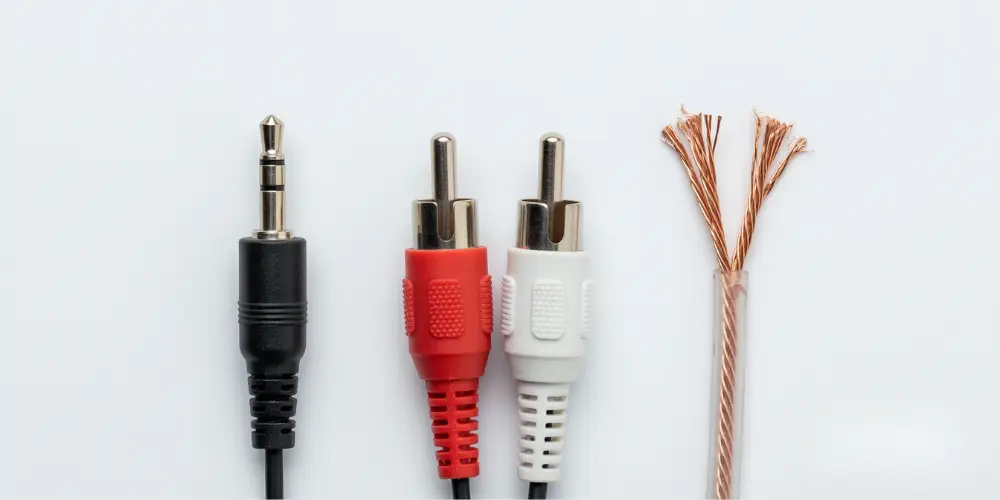
Small 3.5 mm inputs dominate computer and desktop speakers, and adapters built for that plug are widely available. Bluetooth from AUX: The Easy Way to Cut the Wires walks through this case step by step. RCA jacks carry line-level analog audio and remain the standard connection on home stereos, as the RCA connector article on Wikipedia describes. For RCA-specific buying advice, How to Choose the Best Bluetooth RCA Adapter compares ground-loop noise, cable length, and converter quality.
Receiver or Transmitter: Which One Do You Need?
Direction matters. A receiver takes Bluetooth audio in and sends wired audio out, which is what turning speakers wireless requires. A transmitter does the reverse: it takes a wired source, such as a TV, and sends it to Bluetooth headphones or speakers. When people say bluetooth speaker connector, they usually mean the receiver type.
If the source is your phone and the destination is old speakers, you want a receiver. If the source is a TV and the destination is Bluetooth headphones, you want a transmitter. Some combo units switch between both roles with a toggle. The trade-offs are laid out in Bluetooth Transmitter vs Receiver: Pros and Cons if you are deciding between the two.
Picture a common case. A pair of powered desktop speakers sits on a shelf, and the only input is a 3.5 mm jack. A pocket-size receiver with a 3.5 mm output turns them into a wireless pair for the cost of one cable. The same logic scales up to a living-room stereo through RCA.
How to Choose: Range, Codec, Power, and Latency
Four specs separate a smooth adapter from a frustrating one. Range: Class 2 Bluetooth radios, the type found in most adapters, reach about 10 meters indoors, and walls cut that further. Codec: SBC works everywhere, while aptX or LDAC improve quality only when your phone supports them too. Power: USB-powered units suit a fixed spot at home, and battery models move around the house or out to the yard. Latency: video watchers should look for aptX Low Latency or similar modes, since ordinary Bluetooth adds enough delay to desync dialogue. Each of the four costs little to check before ordering.
A bluetooth speaker connector that skips the codec you need will quietly fall back to SBC, and the result may sound flatter than expected. A phone without an aptX license, for instance, pairs happily with an aptX adapter yet still streams plain SBC. Check the spec sheet for the codec list rather than trusting the Bluetooth version number. Bluetooth 5.x improves range and connection stability, yet it does not guarantee any specific codec.
Common Problems and Quick Fixes
Most problems trace back to three causes: input selection, pairing state, and interference. If the speakers stay silent, check that the speaker’s source dial matches the input the adapter uses, that the adapter’s volume or gain knob is up, and that both cable ends are seated. If pairing fails, delete the adapter from your phone’s Bluetooth list, restart both devices, and pair within a meter or two before moving away. Dropouts tend to come from Wi-Fi routers and microwave ovens sitting between phone and adapter, so moving the adapter into open air helps more than any settings change.
Audio delay shows up when the codec chain downgrades. A phone that negotiates only SBC with the adapter will lag on video even if both support better codecs. Where the option exists, forcing the codec in your phone’s developer settings tends to shrink the gap.
Once the input matches and the codec negotiates cleanly, bluetooth speaker connectors tend to fade into the background, and the old speakers simply work, with no cable dragged across the room.
FAQ
Can you turn normal speakers into Bluetooth?
Most speakers can make the jump. Powered or active speakers with a 3.5 mm or RCA input accept a Bluetooth receiver directly: plug the adapter into that input, power it, pair your phone, and the speakers stream wirelessly. Passive speakers, the kind with bare wire terminals and no power cord, need an amplifier in between, because a line-level receiver cannot drive speaker drivers on its own. Either way, the speakers themselves stay untouched.
Is there an adapter to make speakers wireless?
Yes, and it usually goes by the name Bluetooth audio receiver. The device pairs with your phone or computer over Bluetooth and outputs analog audio through 3.5 mm or RCA plugs. Models differ in output type, power source, codec support, and range, so the fit depends on your speakers. Units with both RCA and 3.5 mm outputs cover most home setups, while battery-powered models suit speakers that live away from wall outlets.
How can I connect my Bluetooth to a speaker?
Connect a Bluetooth receiver to the speaker’s aux or RCA input, then pair from the phone side. Put the receiver in pairing mode, usually by holding its button until the light blinks, open the Bluetooth settings on your phone, and select the receiver from the device list. Set the speaker’s source switch to the input the receiver uses, raise the volume gradually, and playback follows whatever the phone streams.
How do I choose a Bluetooth adapter for wired speakers?
A bluetooth speaker connector is only as good as its plug match, so start by confirming the speaker’s input, then check four specs. Look for outputs that fit that input, codec support that your phone also has, a power arrangement that suits the speaker’s location, and enough range for the room. Video watchers should add aptX Low Latency to the checklist to keep dialogue in sync.