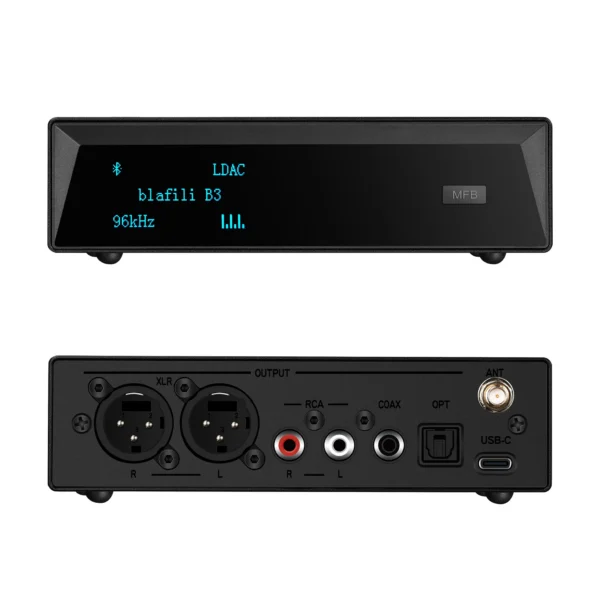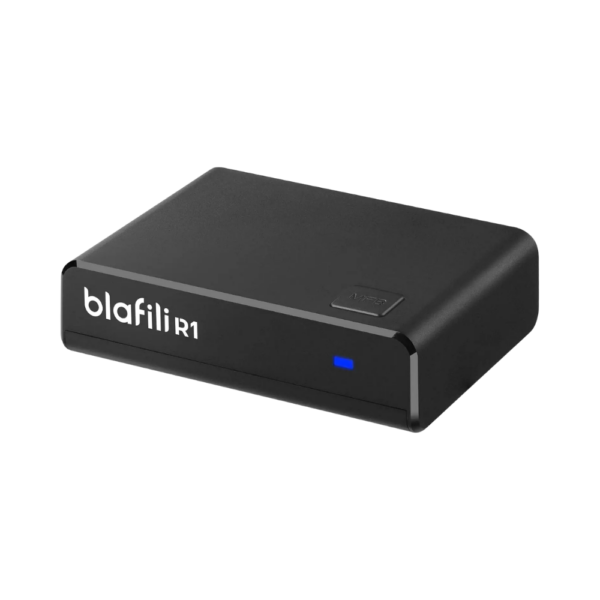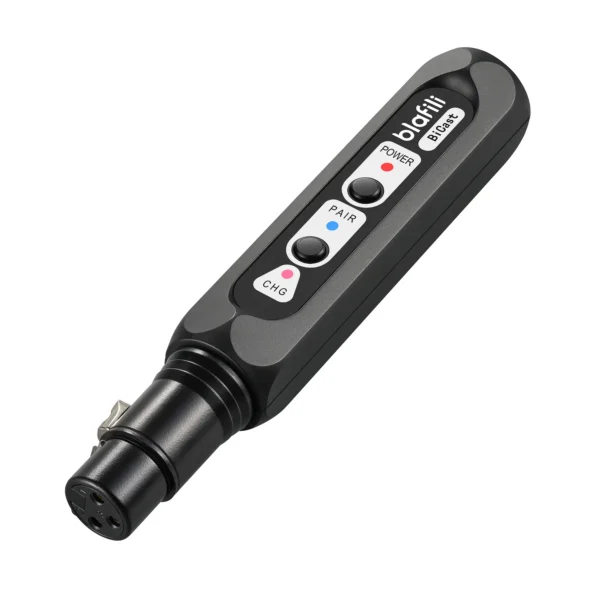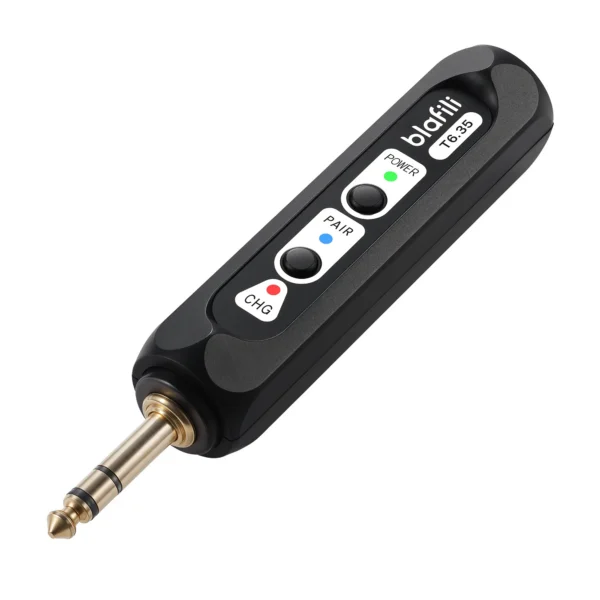


Imagine crisp, high-fidelity music streaming wirelessly to your speakers without a single cable cluttering your space. That’s the magic of a hi-fi receiver with Bluetooth—a device that merges audiophile-grade sound with modern wireless convenience. Unlike traditional setups, which often rely on outdated connections, Bluetooth-enabled receivers let you stream from smartphones, tablets, or laptops effortlessly. But it’s not just about cutting cords. These devices support advanced audio formats like FLAC and ALAC, ensuring lossless quality. If you’re still juggling tangled wires or settling for mediocre sound, it’s time to embrace the future.

Top 5 Features That Define the Best Hi-Fi Receiver with Bluetooth
- High-Power Amplification: Look for receivers delivering 100W+ per channel. Brands like Marantz and Denon pack serious punch.
- Multi-Device Pairing: Hosting a party? Connect multiple devices without re-pairing.
- Bluetooth 5.0+: Experience faster pairing and a stable connection up to 100 feet.
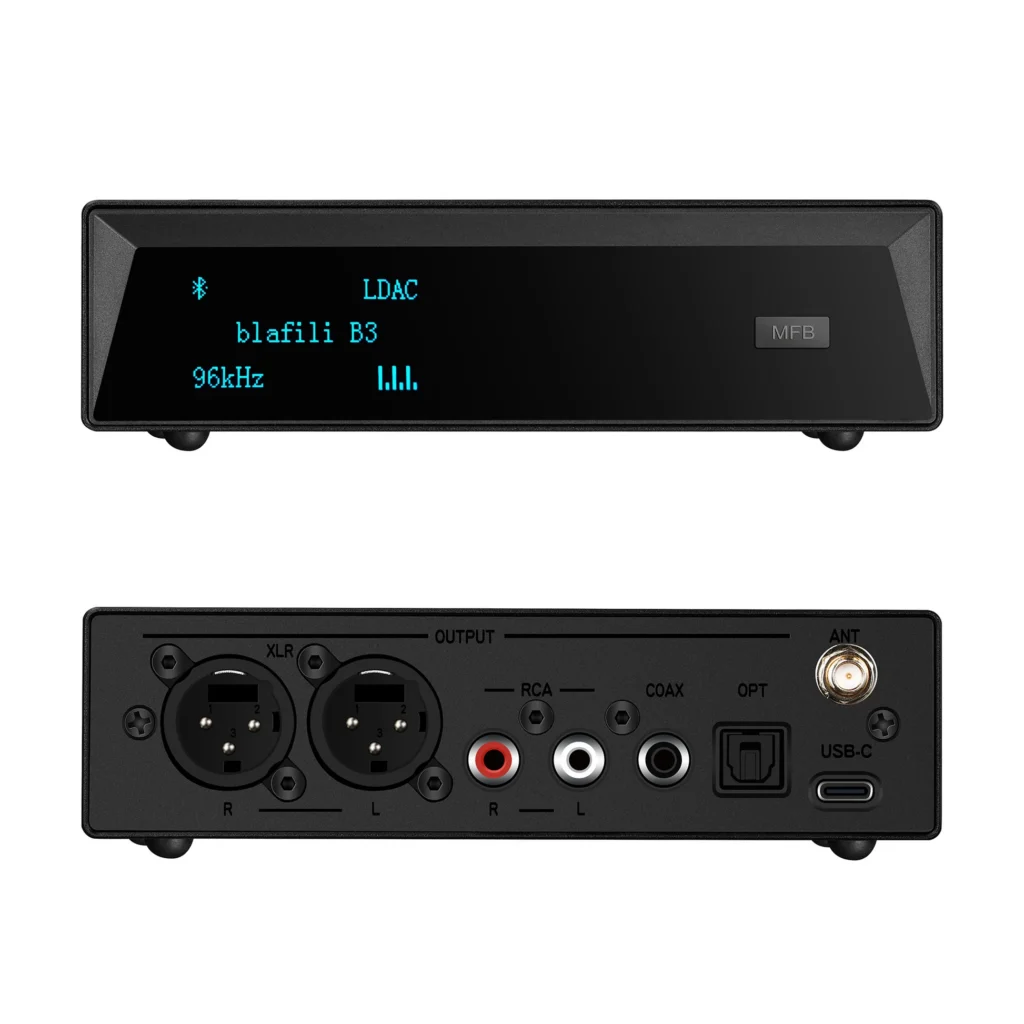
- Diverse Inputs: HDMI ARC, Phono, Optical—ensure it matches your existing gear.
- EQ Customization: Tailor bass, treble, and balance via app-based controls.
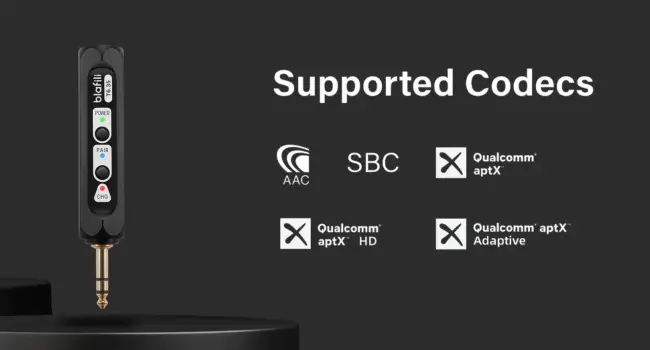
Pro tip: Check if your hi-fi receiver with Bluetooth supports aptX HD or LDAC for near-lossless streaming.

How to Choose the Perfect Hi-Fi Receiver with Bluetooth for Your Space
Size matters! For small rooms (under 200 sq. ft.), a 50W receiver works, but larger spaces need 100W+. Match your speakers’ impedance (4-8 Ohms is standard). Budget-wise, $300-$600 models from Yamaha or Onkyo strike a balance. Want future-proofing? Opt for units with Wi-Fi and AirPlay 2. Don’t forget to test Bluetooth range—walls and furniture can drop signal strength.
Setting Up Your Hi-Fi Receiver with Bluetooth: A Step-by-Step Guide
- Unbox & Position: Keep the receiver ventilated; heat kills performance.
- Pairing Mode: Hold the Bluetooth button until the LED blinks.
- Device Sync: Open your phone’s Bluetooth settings and select the receiver.
- Calibrate Sound: Use auto-EQ tools or manual settings to match your room’s acoustics.
- Multi-Room Magic: Link with Alexa/Google Home for whole-house audio.
Got hissing sounds? Try moving the receiver away from routers or microwaves—interference is real!

Hi-Fi Receiver with Bluetooth vs. Traditional Receivers: Which Wins?
| Feature | Hi-Fi Receiver with Bluetooth | Traditional Receiver |
|---|---|---|
| Convenience | Wireless streaming, app control | Wired connections only |
| Sound Quality | Lossless via aptX HD/LDAC | Analog purity (subjective) |
| Future-Proofing | Regular firmware updates | Limited upgrades |
While analog enthusiasts swear by vinyl warmth, Bluetooth’s versatility wins for modern users.
Maximizing Sound Quality: Tips for Using a Hi-Fi Receiver with Bluetooth
- Use Lossless Sources: Tidal or Qobuz streams beat Spotify’s compressed files.
- Update Firmware: Fix bugs and unlock new features.
- Positioning: Elevate the receiver and use acoustic panels to reduce echoes.
- Cable Management: Keep power cables away from audio wires to minimize noise.
Fun fact: A 2022 Crutchfield study found proper placement boosts clarity by 30%!

The Future of Hi-Fi: How Bluetooth is Reshaping Home Audio Systems
Bluetooth isn’t just for headphones anymore. With LE Audio and Auracast rolling out, hi-fi receivers with Bluetooth will soon let you broadcast to unlimited speakers. Imagine hosting a silent disco at home! Plus, AI-driven sound calibration (like Dirac Live) is becoming standard. The days of static, one-dimensional audio are fading fast.
FAQs
How does Bluetooth affect audio quality in a hi-fi receiver?
Modern codecs like aptX Adaptive minimize quality loss, making Bluetooth nearly indistinguishable from wired setups for casual listening.
Can I connect multiple speakers to a hi-fi receiver with Bluetooth?
Yes! Units with multi-room support (e.g., HEOS, Sonos) let you sync speakers across the house.
What’s the maximum range for Bluetooth connectivity?
Typically 30-100 feet, but walls or metal surfaces can reduce this. Use Wi-Fi for longer distances.
Is a hi-fi receiver with Bluetooth compatible with older speakers?
Absolutely. Ensure the receiver’s impedance (Ohms) matches your speakers’ requirements.
Does Bluetooth introduce latency during movies?
Some do, but receivers with aptX Low Latency cut delay to under 40ms—perfect for syncing audio with video.
Are there alternatives to Bluetooth for wireless audio?
Wi-Fi (AirPlay, Chromecast) offers higher bandwidth, but Bluetooth remains king for simplicity.
Conclusion
A hi-fi receiver with Bluetooth isn’t just a gadget—it’s your ticket to pristine, wire-free sound. Whether you’re a vinyl collector or a streaming addict, this tech bridges the best of both worlds. Ready to ditch the cables? Your ears will thank you. ?