

Audio gear has moved steadily toward wireless connections over the past few years, and mixers are part of that shift. As we move further into 2026, the integration of Bluetooth receivers into mixers has become an essential upgrade for audio professionals and hobbyists alike. For DJs, music producers, and sound engineers, these devices add a quick wireless input and remove one set of cables from the setup.
The Evolution of Audio Technology and Wireless Integration
Mixing used to mean a rack of cables and a fixed position behind the console. The advent of Bluetooth technology has allowed mixers to go wireless, providing the freedom to move around freely while maintaining a stable and high-quality connection. As Bluetooth technology continues to evolve, it has been optimized for both low latency and high audio fidelity, making it an indispensable tool for modern audio production.
Benefits of Using a Bluetooth Receiver with a Mixer
The integration of a Bluetooth receiver into a mixer setup offers numerous benefits:
- Enhanced mobility: No more dealing with cumbersome wires, allowing you to move around the stage or studio freely.
- Simplified setup: Bluetooth receivers eliminate the need for additional hardware or complex cabling.
- Convenience: Stream audio directly from any Bluetooth-enabled device, such as smartphones, tablets, or laptops.
- Versatility: Support for a wide variety of audio sources, including streaming services, digital audio workstations (DAWs), and external devices.
How a Bluetooth Receiver Enhances Your Mixing Experience in 2026
In 2026, Bluetooth receivers for mixers are not just about convenience; they are a vital part of any professional audio setup. Modern Bluetooth receivers can handle high-resolution audio streams, and with a good codec the signal reaches the speakers with little loss of clarity. This makes them useful for live performances, studio recordings, and rehearsal setups, where sound quality is the priority.
What to Look for in the Best Bluetooth Receiver for Your Mixer
When selecting the best Bluetooth receiver for your mixer, there are several key factors to consider. These features ensure that the receiver will meet your specific audio needs while providing reliability and ease of use.
Sound Quality: Ensuring Clear, Crisp Audio Transmission
The primary purpose of a Bluetooth receiver is to deliver high-quality audio, so it’s essential to focus on sound fidelity. Look for devices that support aptX, AAC, or LDAC codecs, which are known for their ability to transmit audio with minimal compression. High-resolution audio support is worth having if you’re working in professional environments where the clarity of every sound matters.
Connectivity Options: Wireless Flexibility and Compatibility
A Bluetooth receiver’s connectivity options play a critical role in its performance. The best receivers are compatible with a variety of devices, from smartphones and laptops to audio interfaces and mixing consoles. Ensure that the receiver supports Bluetooth 5.0 or later for improved range, stability, and faster pairing. Some receivers also offer Wi-Fi or Ethernet support, which adds networked and wired sources to the options.
-
Sale!
 Original price was: $149.00.$109.00Current price is: $109.00.
Add to cart
-
Sale!
 Original price was: $59.99.$40.99Current price is: $40.99.
Add to cart
-
Sale!
 Original price was: $29.99.$21.99Current price is: $21.99.
Add to cart
-
Sale!
 Original price was: $59.99.$44.99Current price is: $44.99.
Add to cart
Latency and Range: Keeping Your Mix Smooth and Stable
For mixing and performance, latency is crucial. High latency can result in audio delays, which can be disruptive, particularly in live performances or real-time audio production. Choose a receiver with low-latency codecs like aptX Low Latency to ensure your sound stays in sync. Range is equally important, as you don’t want to experience signal dropouts, so consider a Bluetooth receiver with an extended range of at least 30 feet (10 meters).
Durability and Build Quality: Choosing a Long-lasting Device
Durability is an often overlooked but vital factor when choosing a Bluetooth receiver. It’s essential to pick a receiver with a robust build, especially if you’re using it in live performances or traveling between gigs. Look for receivers made with high-quality materials such as metal enclosures or shock-resistant designs that can withstand the rigors of heavy use.
Ease of Setup: Quick and Simple Integration into Your Setup
While sound quality and features are important, ease of setup can make or break the experience. The best Bluetooth receivers offer plug-and-play functionality, where all you need to do is pair your device and start streaming. A user-friendly interface with an intuitive app or controls ensures you don’t waste time troubleshooting during live events or studio sessions.

Top Bluetooth Receiver Picks for Mixers in 2026
Now that we understand what to look for in a Bluetooth receiver, here are the top picks for 2026. Whether you’re a professional DJ, audio engineer, or home studio enthusiast, these Bluetooth receivers stand out for their performance, versatility, and innovative features.
Best Overall Bluetooth Receiver for Mixer: High-End Features and Performance
- Bose SoundTouch 20 Series IV
Known for its premium sound quality and straightforward integration with mixers, the Bose SoundTouch 20 delivers clean audio transmission with minimal latency. It supports both Bluetooth and Wi-Fi connectivity, which covers both studio and live performance setups.

Best Budget-Friendly Bluetooth Receiver for Mixer: Affordable, Reliable, and Efficient
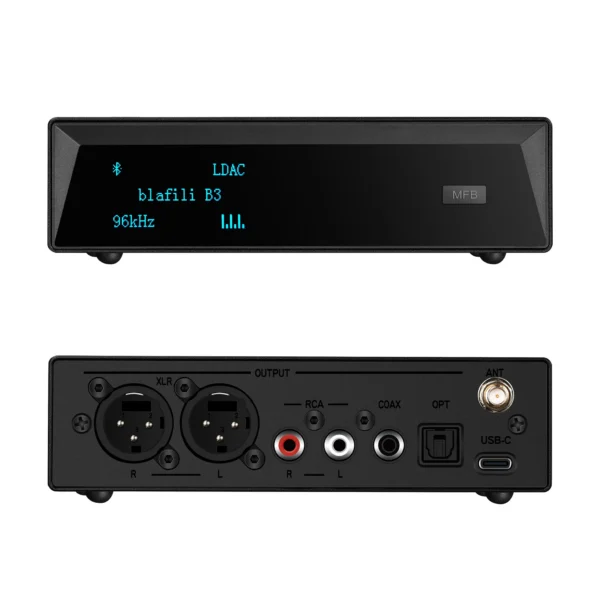
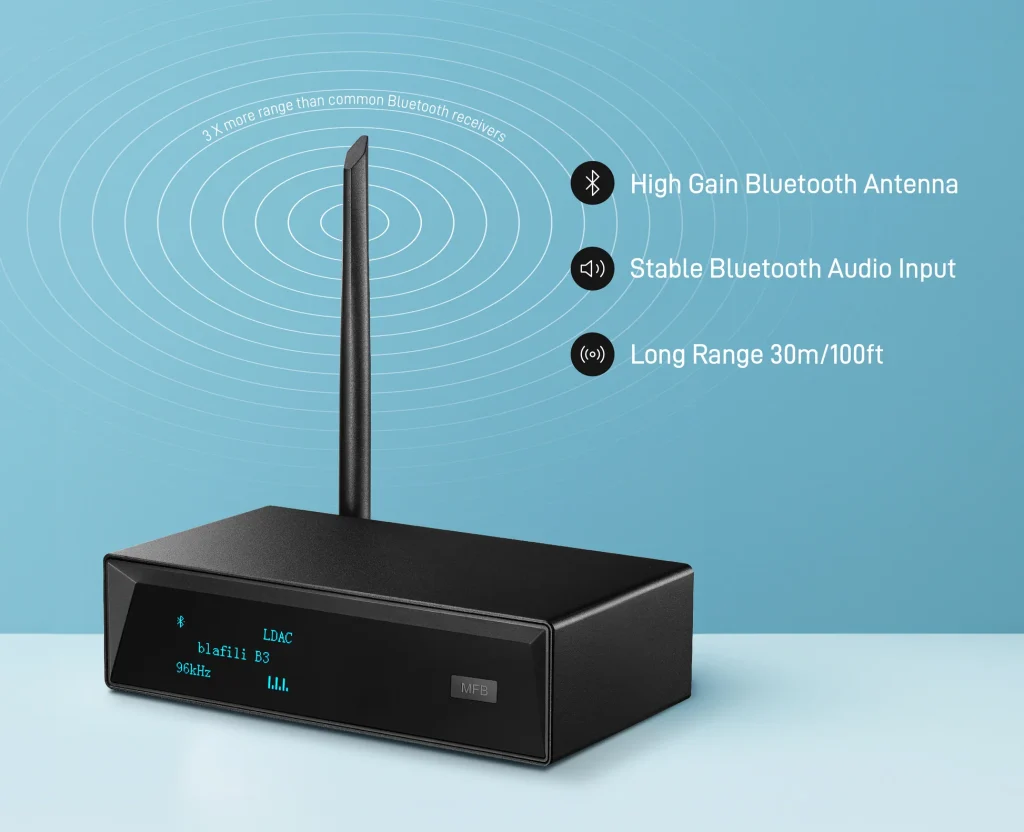
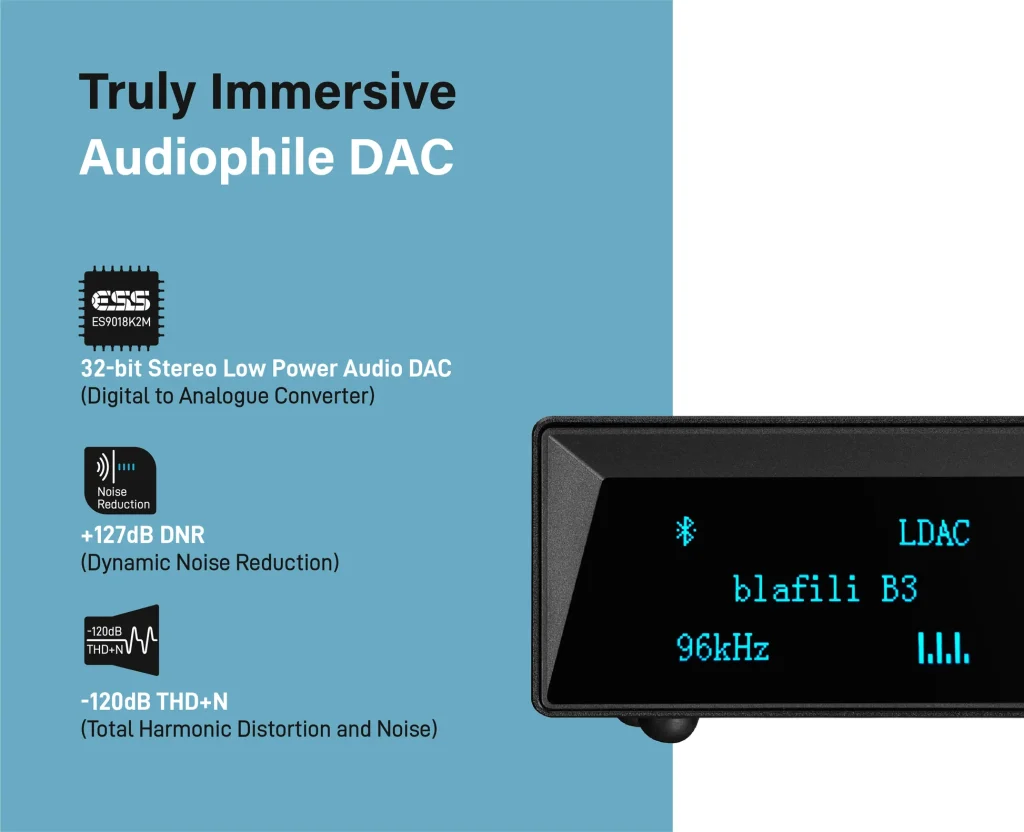
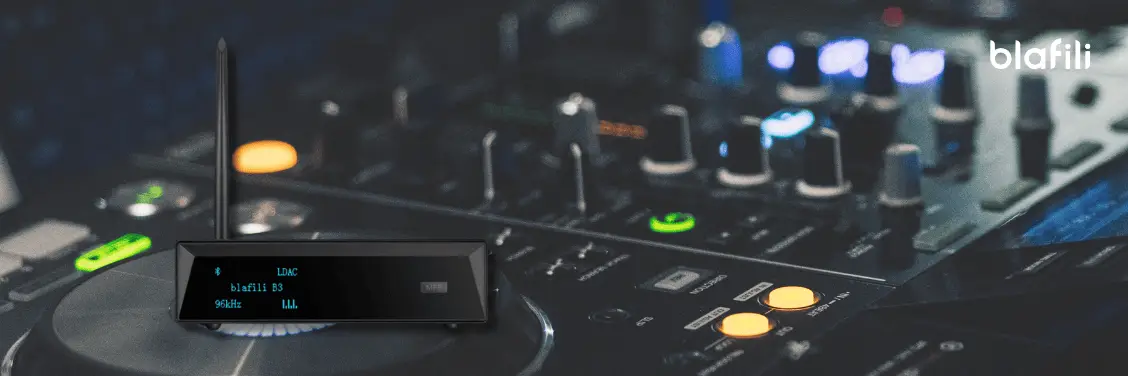
- blafili B3 Bluetooth Music Receiver
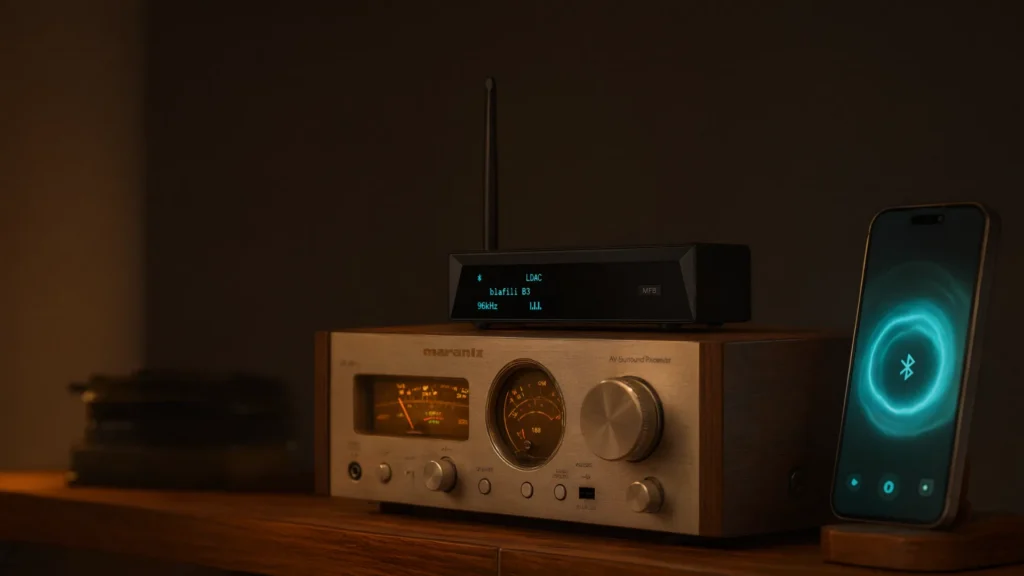
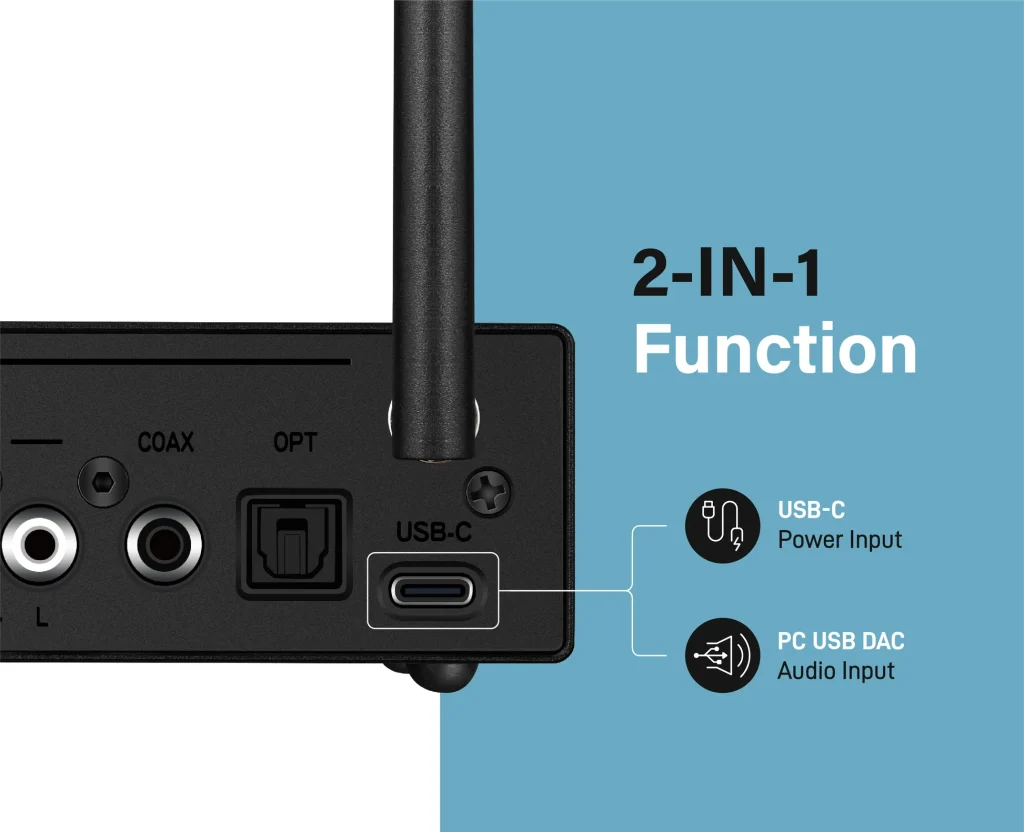
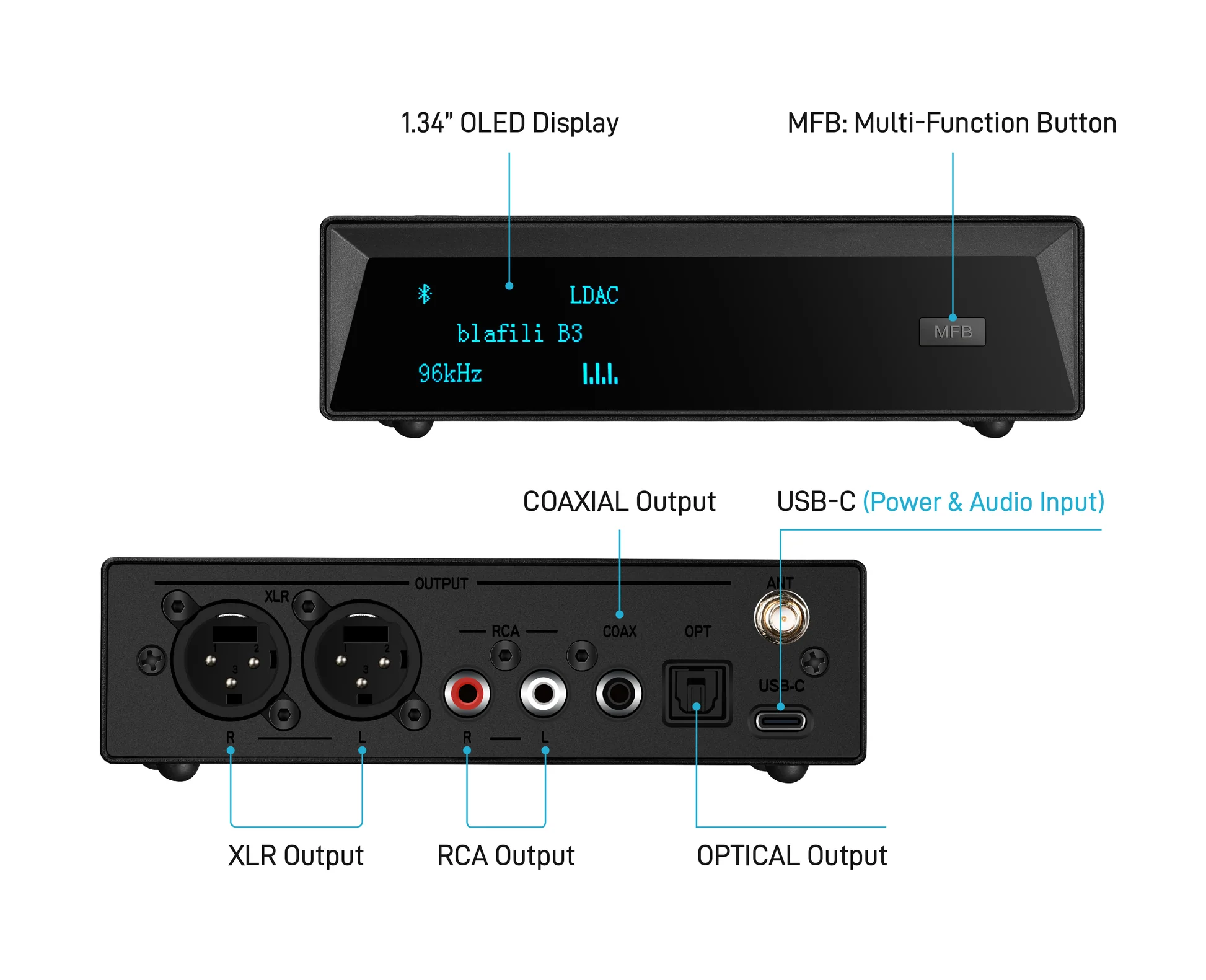
A top choice for budget-conscious buyers, the blafili B3 offers reliable Bluetooth 5.1 connectivity with a solid range of up to 100 feet. It suits smaller setups or home studios where value and functionality matter. blafili B3 supports LDAC, aptX HD, aptX LL, aptX, AAC, SBC, and the output interface supports RCA, Bluetooth, Optical, Coaxial, XLR and other formats, which can meet the usage needs of different scenarios.
Best for Live Performances: Bluetooth Receiver with Low Latency and High Stability
- Audioengine B1 Bluetooth Music Receiver
Designed for live performances, the Audioengine B1 ensures that there’s no noticeable lag between audio transmission and the sound output. With aptX Low Latency support, it guarantees that your mix stays smooth and in sync, even during high-energy performances.
Best for Studio Use: Premium Quality Sound and Advanced Features
- Sennheiser BT T100 Bluetooth Audio Transmitter/Receiver
The Sennheiser BT T100 combines premium sound quality with a wealth of advanced features such as support for aptX HD and dual pairing. It suits mixing professionals who want consistent audio fidelity in studio environments.
Best Compact Bluetooth Receiver for Mixer: Small Size, Big Performance
- TaoTronics Bluetooth 5.0 Receiver
A compact yet powerful option, the TaoTronics Bluetooth 5.0 receiver provides crisp audio transmission, simple setup, and an impressive range. Its compact form factor suits mixers with limited space or portable setups.
How to Set Up Your Bluetooth Receiver with a Mixer
Setting up a Bluetooth receiver with your mixer doesn’t have to be complicated. Here’s a simple step-by-step guide to get you started:
Step-by-Step Guide to Connecting Your Bluetooth Receiver
- Power up your mixer and connect the Bluetooth receiver to the audio input (typically via 3.5mm jack, RCA, or optical output).
- Activate pairing mode on your Bluetooth receiver (check the receiver’s user manual for specific instructions).
- Enable Bluetooth on your smartphone, tablet, or laptop and search for the Bluetooth receiver.
- Once paired, you should hear audio streaming through your mixer. Adjust the settings for optimal volume and sound balance.
Troubleshooting Common Issues During Setup
- No sound output: Ensure the Bluetooth receiver is properly paired, and that the mixer’s volume levels are correctly set.
- Poor audio quality: Check for interference from other Bluetooth devices. Try switching to a different Bluetooth codec or increasing the distance between the receiver and other wireless devices.
Tips for Maximizing Performance and Reducing Interference
- Limit the number of connected Bluetooth devices in your environment to reduce interference.
- Position the receiver centrally within range of your audio source for the best signal strength.
- Use a dedicated Wi-Fi network for your mixer if your receiver supports dual connectivity (Bluetooth + Wi-Fi).
Why 2026 Is the Year to Invest in a Bluetooth Receiver for Your Mixer
The year 2026 marks a significant turning point in wireless audio technology, with Bluetooth receivers becoming even more sophisticated. Advancements in Bluetooth 5.0 and beyond ensure that devices can transmit higher quality audio with lower latency and greater stability than ever before. As wireless technology becomes an essential part of modern audio setups, investing in a Bluetooth receiver now ensures that your mixer will be future-proof, equipped to handle the demands of tomorrow’s sound.
Conclusion: The Right Bluetooth Receiver for Your Mixing Setup in 2026
Before buying a Bluetooth receiver for your mixer, weigh the three factors that matter most in daily use: sound quality (check for aptX HD or LDAC support), connectivity options (Bluetooth 5.0 plus any wired inputs you need), and latency (codecs like aptX Low Latency keep delay under about 40 ms). Match those against your mixer’s free inputs and the venues you work in. A receiver chosen on those three points will hold up across live sets and studio sessions.